
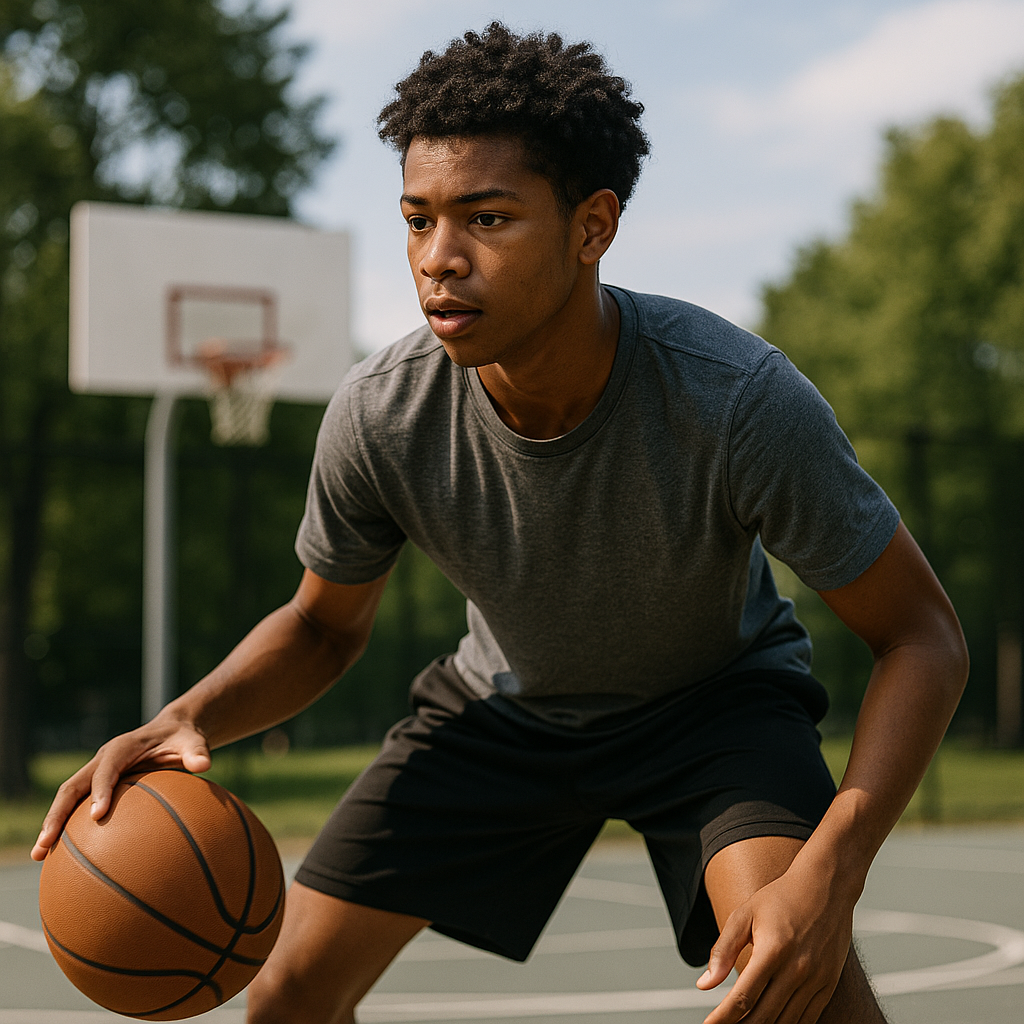
While many people see sports mainly as a way to stay fit, their impact extends far beyond physical health. Regular engagement in sports can shape essential qualities such as discipline, resilience, and emotional balance—traits that are at the heart of personal development. Whether you’re training for competition or simply playing for fun, sports foster a mindset of improvement. With each match, each practice, each setback and comeback, we become more patient, focused, and goal-oriented. These mental shifts transfer naturally into other areas of life, including school, work, and relationships.
Learning Through Structure and Teamwork
Structured sports environments provide more than physical training—they teach life skills. Being part of a team develops communication, cooperation, and trust. Athletes learn how to perform under pressure, accept criticism constructively, and celebrate not only individual achievement but also collective success. Even in solo sports like swimming or running, athletes work with coaches, learn to follow routines, and set measurable goals. These lessons are foundational for personal growth, teaching individuals how to commit, adapt, and manage challenges in a controlled, motivating setting.
Mental Toughness and Emotional Resilience
Few things develop mental toughness like sports. The emotional highs and lows of winning and losing create a safe environment to build coping strategies. Athletes regularly face frustration, physical limits, and external expectations. Learning how to handle failure, bounce back from defeat, or push through discomfort builds true resilience. Over time, this translates into improved self-confidence and emotional control. These experiences prepare people to deal with real-life obstacles more effectively and with a stronger sense of inner stability.
Habits That Fuel Lifelong Development
Sports encourage consistency, time management, and a strong work ethic—three pillars of personal growth. Waking up early for training, following nutritional plans, balancing rest and performance—all of this cultivates discipline. And discipline doesn’t stay on the field; it naturally applies to career development, education, and personal goals. People who grow up playing sports often carry these habits into adulthood, developing a proactive approach to improvement in all areas of life. Sport becomes a framework for growth that never quite fades, even when the intensity of competition does.
Unlocking Your Potential, One Game at a Time
In the end, sports are far more than games. They are structured journeys that train the body and the mind together. For children, they build a foundation of confidence and discipline. For adults, they offer a way to reconnect with challenge, community, and personal strength. Whether you’re chasing a goal on the court or pushing your limits at the gym, each effort contributes to your personal evolution. Playing sports is not just about becoming a better athlete—it’s about becoming a better version of yourself.