
The Link Between Finances and Mental Clarity
It’s easy to separate financial matters from health concerns, but in reality, the two are closely connected. Money troubles are one of the most common sources of chronic stress, which can lead to anxiety, sleep problems, high blood pressure, and even depression. On the other hand, financial security brings a sense of stability and control. Knowing that your bills are paid, savings are growing, and future plans are realistic gives you peace of mind that positively affects your mental and emotional state. Financial health is often an invisible foundation supporting overall wellness.
Budgeting as a Self-Care Practice
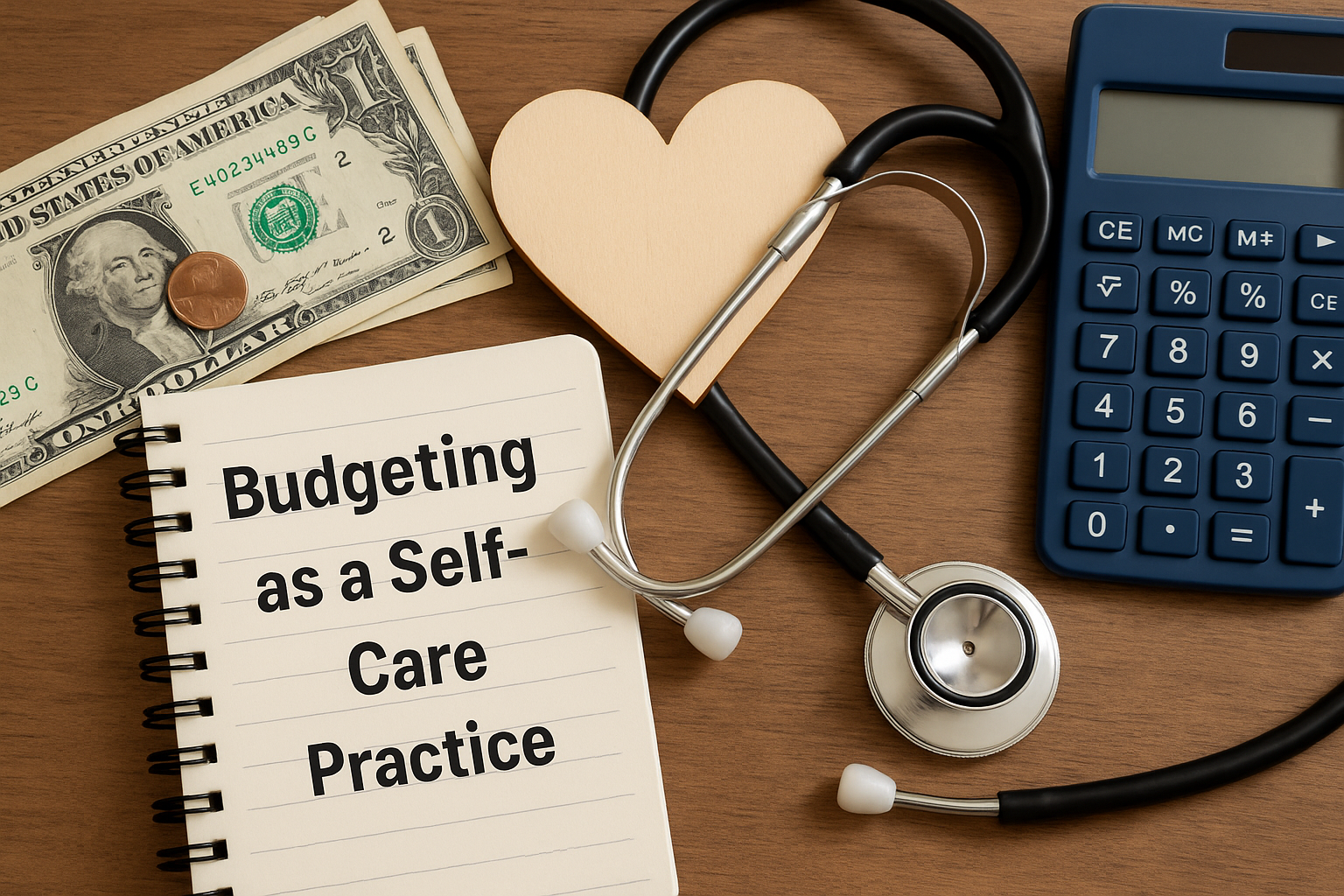
Creating and maintaining a budget isn’t just about numbers—it’s about creating intention. Much like maintaining a balanced diet or regular exercise routine, budgeting can become a form of self-care. It allows you to make informed decisions, eliminate unnecessary expenses, and focus your resources on what matters most. This clarity helps you prioritize wellness in everyday life, whether it’s affording healthy groceries, a gym membership, or preventive healthcare. When you manage your money with awareness, you also reduce the mental clutter that often comes with uncertainty and impulse spending.
Health Expenses Without the Panic
Medical costs can quickly destabilize even the most carefully planned finances. Unexpected doctor visits, dental emergencies, or long-term treatments often come at high prices. Planning for health-related expenses—through emergency funds, insurance, or health savings accounts—can make a significant difference. When you’re financially prepared, you’re more likely to seek timely medical attention and less likely to delay treatments due to fear of the bill. In this way, managing money is not only an economic strategy but also a proactive health measure.
Long-Term Wellness Through Financial Planning
True wellness isn’t just about today—it’s about ensuring your future self is protected and supported. That’s where financial planning plays a crucial role. Whether it’s saving for retirement, investing in life insurance, or creating a will, each of these actions adds a layer of confidence and care. They reduce future burdens and help your loved ones navigate uncertainty with ease. Financial literacy empowers you to make choices that benefit both your bank account and your well-being for years to come. In the end, good financial habits are not just smart—they’re healing.