
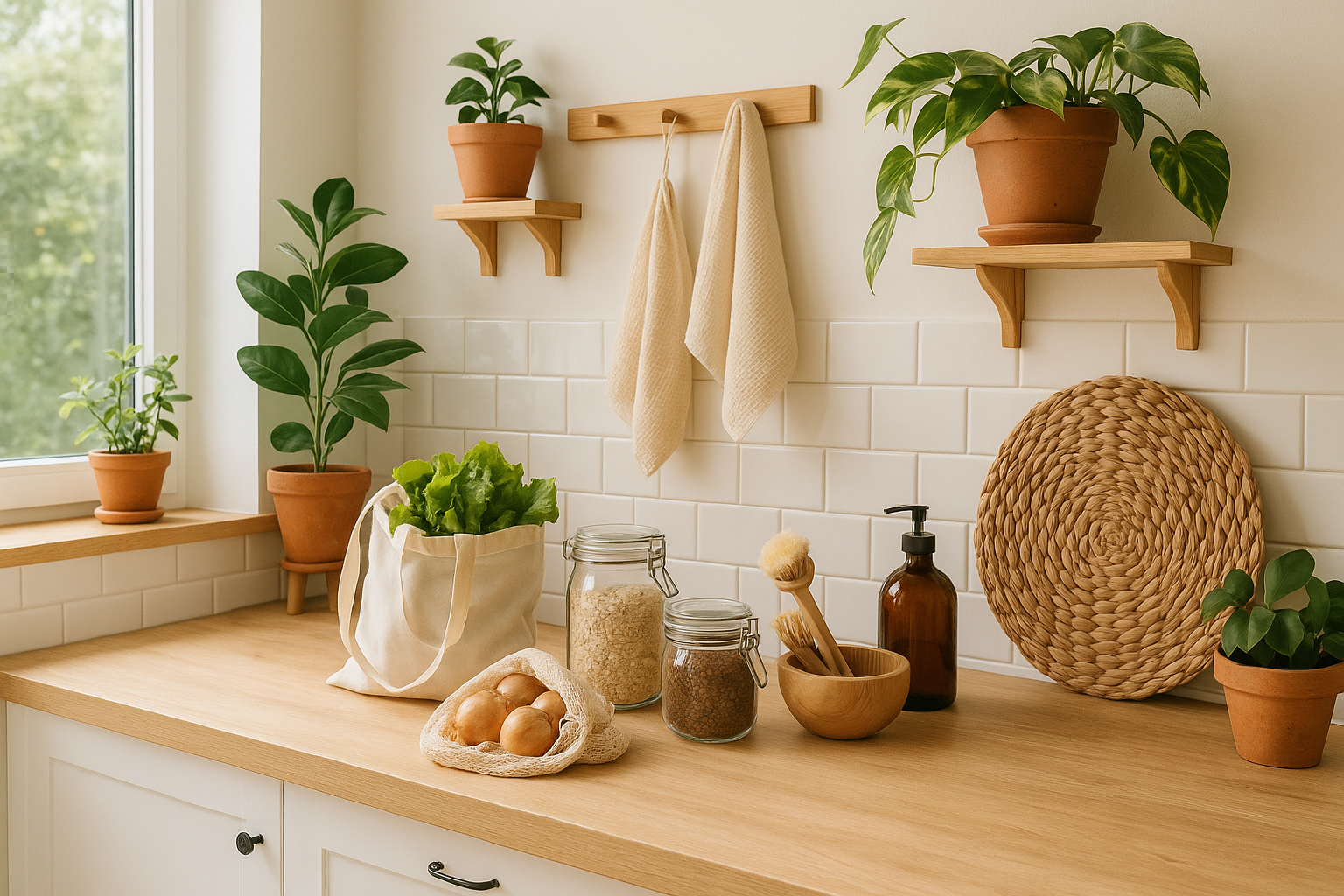
Sustainability doesn’t have to be overwhelming. While climate change and environmental news can feel global and abstract, real change often begins in the spaces we know best — our homes. Everyday choices, repeated over time, add up to significant impact. You don’t need to overhaul your entire lifestyle overnight. Instead, small, practical eco-habits built into daily routines can create meaningful shifts toward a healthier planet and a more mindful life.
Simple Actions, Lasting Results
The best sustainable habits are often the simplest. They’re easy to maintain, cost little to nothing, and bring long-term rewards. Consider adopting a few of these:
- Unplug electronics when not in use to reduce phantom energy consumption.
- Switch to LED lighting, which lasts longer and uses far less electricity.
- Use reusable containers and bags to cut down on plastic waste.
- Compost kitchen scraps like coffee grounds, vegetable peels, and eggshells.
- Choose secondhand whenever possible — furniture, clothing, and tools.
These habits not only reduce your carbon footprint, but also contribute to a simpler, more intentional way of living. They can also inspire others in your household or social circle to think differently about everyday consumption.
Creating Sustainable Spaces
An eco-friendly home isn’t about perfection — it’s about awareness. The layout and function of your space can either support or undermine your habits. Keep recycling bins in visible, easy-to-reach areas. Designate zones for reusables like bags, jars, and fabric wraps. Even your choice of cleaning products matters: opting for natural, non-toxic alternatives is better for your health and the environment.
Green upgrades such as better insulation, low-flow showerheads, or balcony gardens can significantly reduce resource use. These aren’t just ecological investments — they’re lifestyle upgrades that often make a home more comfortable, affordable, and aesthetically pleasing.
Mindset Shifts That Last
More than anything, sustainability begins with a shift in mindset. It’s not about guilt or rigid rules — it’s about curiosity, consistency, and a willingness to experiment. When you ask “Do I really need this?” or “Is there a better way?” you begin to disrupt unconscious habits and replace them with conscious alternatives.
Over time, this mindset spills over into other areas: shopping choices, meal planning, transportation, and even how you spend your leisure time. The result is a lifestyle that feels lighter, more connected, and more in tune with the rhythms of nature. You’re not just helping the planet — you’re creating a calmer, more meaningful life.