
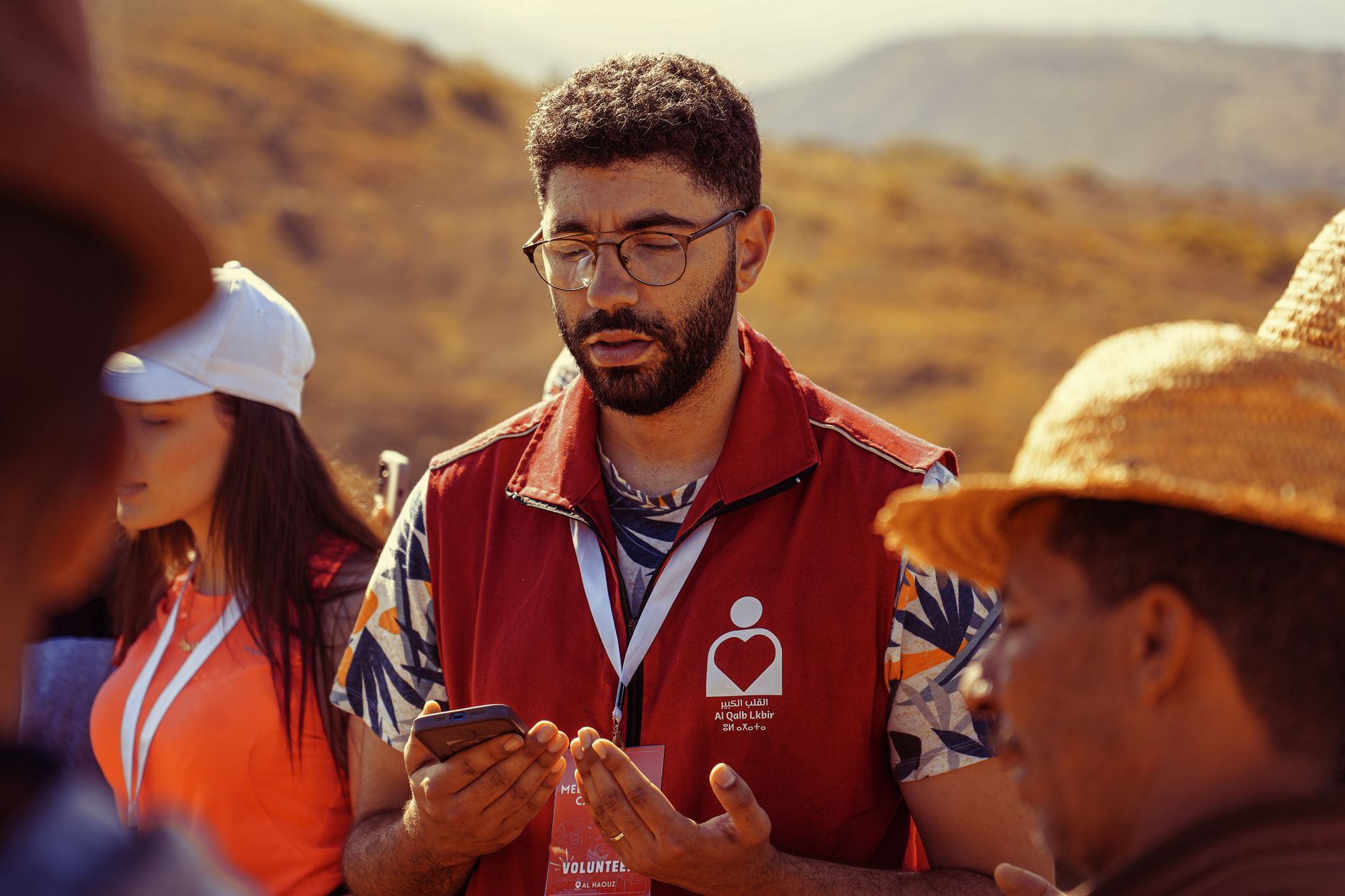
Community Support Groups: The Quiet Engine of UK Neighbourhood Life
Community support groups have become the quiet engine of British neighbourhood life, filling the gaps that stretched councils and 18-week NHS waiting lists no longer reach. Roughly 165,000 small charities and unregistered collectives run community support groups across the UK, meeting in church halls, library annexes, pub function rooms and, increasingly, repurposed shipping containers on high-street car parks. The overheads are modest — a village hall booking averages £8 to £15 an hour outside London and £25 to £40 inside the M25 — yet the return is measurable, with members reporting lower loneliness scores and faster access to practical advice than any helpline delivers. This guide sets out what these groups genuinely provide, how much they cost to operate, which categories are expanding fastest, and how a resident in Manchester, Merthyr Tydfil or Margate can join one within a fortnight without spending anything at all.
What Community Support Groups Actually Deliver
The label covers far more than a tea urn and a circle of chairs. A single group in Bolton might run a debt-advice clinic on Monday, a carers’ respite session on Wednesday and a repair café on Saturday, each staffed by two volunteers and a rota of six regulars who signed up through a WhatsApp thread.
Practical output beats sentiment. Citizens Advice figures suggest peer-led sessions resolve roughly 40% of benefit queries before a formal appointment is needed, saving each attendee an average of £280 in missed entitlements. That is money recovered in a church hall, not a call centre.
The social return is harder to price but equally real. Attendance of two hours a week is consistently linked to improved wellbeing scores, and groups that survive beyond eighteen months tend to spawn secondary activities — walking clubs, batch-cooking rotas, school-uniform swaps — without any extra funding at all.
Finding a Group Near You Without Paying a Penny
Start with the noticeboard, not the search bar. Libraries, GP surgeries and Co-op community boards still list more active sessions than any national directory, largely because the volunteers running them are aged 55 and over and prefer paper to platforms.
Council websites hold a Local Offer directory by law, though entries go stale quickly. Cross-check anything you find against the group’s own Facebook page: if the last post is older than eight weeks, ring the listed number before turning up on a wet Tuesday evening.
- Ask your GP receptionist for the social prescribing link worker — most surgeries have one
- Check the parish council minutes; new groups appear there before they appear online
- Visit the venue during a session and simply watch for ten minutes
- Search Facebook by postcode rather than by keyword
- Contact the local Council for Voluntary Service, free in every English county
What to Expect on Your First Visit
Nobody will ask for money. A voluntary contribution of £1 to £3 towards refreshments is standard, and no reputable group turns away a member who leaves the tin empty. Expect a name badge, an introduction, and no obligation to speak at all.
Animal Welfare Circles: The Fastest-Growing Strand
Pet-owner circles have expanded faster than any other category since 2023, driven by the post-pandemic dog boom and the scams that followed it. Volunteers report that most newcomers arrive after typing „french bulldog puppy for sale” into a search bar late at night and landing on a listing that looked suspiciously cheap.
A typical Leeds session works like a peer review panel. One member shares a screenshot of a „puppy french bulldog for sale” advert carrying no health certificates; another has bookmarked a „puppy for sale french bulldog” listing from a seller who refuses a video call. Collective scrutiny exposes the pattern within minutes.
Search volume tells the story. Phrases such as french bulldog puppy for sale uk and „puppy french bulldog for sale uk” surface hundreds of adverts weekly, and welfare charities estimate a meaningful share originate from unlicensed breeders or overseas imports with forged paperwork.
Reading a Listing Before You Reply
Members are taught one checklist regardless of breed. Whether the search was „english bulldog puppy for sale near me”, puppy bulldog for sale near me or „british bulldog puppy for sale near me”, the rule holds: see the mother on video, in the home, with the litter, before any deposit changes hands.

Price is the loudest warning signal of all. A „blue french bulldog puppy for sale” advertised at £600 is not a bargain — the honest french bulldog puppy price uk range sits between £2,000 and £4,000 from a licensed breeder. A „mini bulldog puppy for sale” at £350, or an „american bulldog puppy for sale near me” listing with no verifiable address, should end the conversation immediately.
The Real Cost of Running a Group
Founders routinely overestimate what they need. A weekly group of twenty people can operate on under £1,200 a year, and most of that is venue hire. Insurance, the item people fear most, is the cheapest line on the budget.
Grant funding exists but arrives slowly. The National Lottery Awards for All scheme offers £300 to £20,000 and takes roughly twelve weeks to decide, so plan the first six months on subscriptions, raffles and a single supermarket community fund application instead.
| Item | Typical annual cost (GBP) | Notes |
|---|---|---|
| Venue hire (weekly, 2 hrs) | £832 – £1,560 | £8–£15/hr regional; higher in London |
| Public liability insurance | £75 – £160 | £5m cover, standard for volunteer groups |
| Refreshments | £150 – £300 | Often covered by the £1–£3 door tin |
| Printing and publicity | £60 – £200 | Posters, flyers, laminated signage |
| DBS checks | £0 – £110 | Free for volunteers; £21.50 basic if required |
Safeguarding is non-negotiable where children or vulnerable adults attend. Appoint a named lead, write a one-page policy, and store contact details on a password-protected device rather than a shared spreadsheet that half the committee can open.
Measuring Impact and Keeping Members
Count what funders count. Attendance registers, a two-question wellbeing survey each quarter, and a simple tally of referrals made to other services will satisfy nearly every grant application you will ever submit in the group’s first three years.
Retention beats recruitment. Groups that keep 70% of members past six months grow steadily without advertising; those that churn spend every meeting re-explaining the basics and burn out their organisers within a year. A named buddy for each newcomer fixes this cheaply.
Succession planning is the difference between a group and an institution. Train a deputy from month one, share the bank mandate across two signatories, and write down the venue contact, insurance renewal date and Wi-Fi password somewhere other than the chair’s head.
How do I find community support groups near me?
Begin offline. Your GP surgery almost certainly employs a social prescribing link worker whose entire job is matching residents to local sessions, and the referral is free and immediate. Libraries and Co-op noticeboards carry listings that never reach the internet, and parish council minutes often name new groups weeks before they build a web presence. Online, search Facebook by postcode rather than by topic, and cross-reference anything you find against your council’s Local Offer directory. If a listing has not been updated in two months, telephone before attending. Most groups will invite you to observe a session with no commitment, no fee and no requirement to introduce yourself to the room.
Is starting a community support group expensive?
Less than most founders assume. The dominant cost is venue hire, typically £8 to £15 an hour outside London, which puts a weekly two-hour session at roughly £832 to £1,560 a year. Public liability insurance with £5 million cover runs about £75 to £160 annually, refreshments cost £150 to £300, and DBS checks are free for genuine volunteers. That totals well under £1,200 for a group of twenty in most regions. Door contributions of £1 to £3 per head cover the majority of it from week one. Grants exist — Awards for All ranges from £300 to £20,000 — but decisions take around twelve weeks, so never build the launch plan around them.
What makes a group survive its first year?
Consistency and delegation, in that order. Groups that meet at the same time and place every single week, even when only four people turn up, build the habit that carries them through winter. Those that shift dates to suit the organiser lose momentum by month four. Assign a deputy chair immediately, put two signatories on the bank account, and document the venue contact, insurance renewal date and safeguarding lead in a shared file rather than one person’s memory. Pair every newcomer with an existing member for their first three visits; retention above 70% at six months is the single strongest predictor of a group still running five years later.