
British Cultural Events: A Field Guide to the UK Calendar
British cultural events run on a rhythm older than the motorway network: a village bonfire in November, a folk weekend in August, a literary festival squeezed into a school hall in March. Anyone new to the country underestimates how dense that calendar is, and how much of it sits outside the ticketed, sponsor-branded tier that dominates national listings pages. Independent festival associations count hundreds of member events between them, and that figure ignores the thousands of parish-level gatherings that never reach a directory at all. This guide maps the categories, the seasons, the realistic costs in pounds, and the practical business of turning up, including the livestock rings and breed stands that make a county show feel nothing like a city arts weekend. Treat it as a planning document rather than a listicle: individual dates move, but the shape of the year does not.
What Counts as a British Cultural Event
The phrase covers four broad families: heritage and civic ritual, performing arts, food and agriculture, and sport with a ceremonial edge. A Remembrance parade, a chamber music series, a cheese rolling and a county show share almost no infrastructure, yet locals file them under the same mental heading: things the town does.
Scale varies wildly. Edinburgh’s August programme fields several thousand performances; a Lincolnshire ploughing match might draw four hundred people and a burger van. Both qualify. The useful distinction is not size but continuity: events that recur annually build volunteer structures, sponsor relationships and an audience that plans around them.
That continuity explains the eccentricity. Traditions survive because nobody holds the authority to cancel them, so a modern arts weekend can sit two fields away from a morris side and a poultry marquee. Visitors expecting thematic tidiness leave confused; visitors expecting a jumble sale of national habits leave satisfied.
A Season-by-Season Map of the Calendar
Spring opens quietly with literary weekends, folk sessions and Easter fairs. May and June bring the county show season and the first large outdoor music weekends. July and August are saturated to the point of clashing. September belongs to harvest suppers, heritage open days and food festivals, while October to December narrows to bonfires, markets and carol events.
Weather drives more of this than culture does. British cultural events held outdoors cluster between late May and early September because British rainfall makes a marquee-free plan reckless. Indoor programming, meaning theatre seasons, museum lates and chamber series, fills the remaining seven months and generally costs less per ticket.
Booking windows differ sharply by tier. Major music weekends sell out months ahead, occasionally before a line-up exists. County shows rarely sell out at all, and gate entry on the day is entirely normal. Parish events need no booking, only a rough idea of where to park, which is usually a farmer’s field.
| Season | Typical events | Usual adult entry | Book ahead? |
|---|---|---|---|
| Spring (Mar to May) | Literary weekends, Easter fairs, folk sessions | £0 to £25 | 2 to 6 weeks |
| Early summer (Jun to Jul) | County shows, village fêtes, open gardens | £8 to £30 | Not usually |
| Peak summer (Jul to Aug) | Music weekends, city fringe festivals | £45 to £300 | 3 to 9 months |
| Autumn (Sep to Oct) | Harvest suppers, food festivals, heritage days | £0 to £18 | 1 to 3 weeks |
| Winter (Nov to Dec) | Bonfires, Christmas markets, carol services | £0 to £12 | Rarely |
Regional Highlights Beyond the Capital
London absorbs coverage disproportionately. Some of the densest cultural weeks sit elsewhere: Hay-on-Wye in late spring, Whitby’s gothic weekends in April and October, the Great Yorkshire Show in July, Aberystwyth’s Welsh-language programming across the summer. Travel and accommodation booked early usually undercut the London equivalent by a wide margin.
Northern Ireland and the Scottish islands run tighter calendars with fewer clashes, which makes them easier to plan around. Ferry timetables become the binding constraint rather than ticket availability, and a missed sailing costs a full day. Build slack into any island itinerary before booking the return leg.
County Shows, Village Fêtes and the Livestock Ring
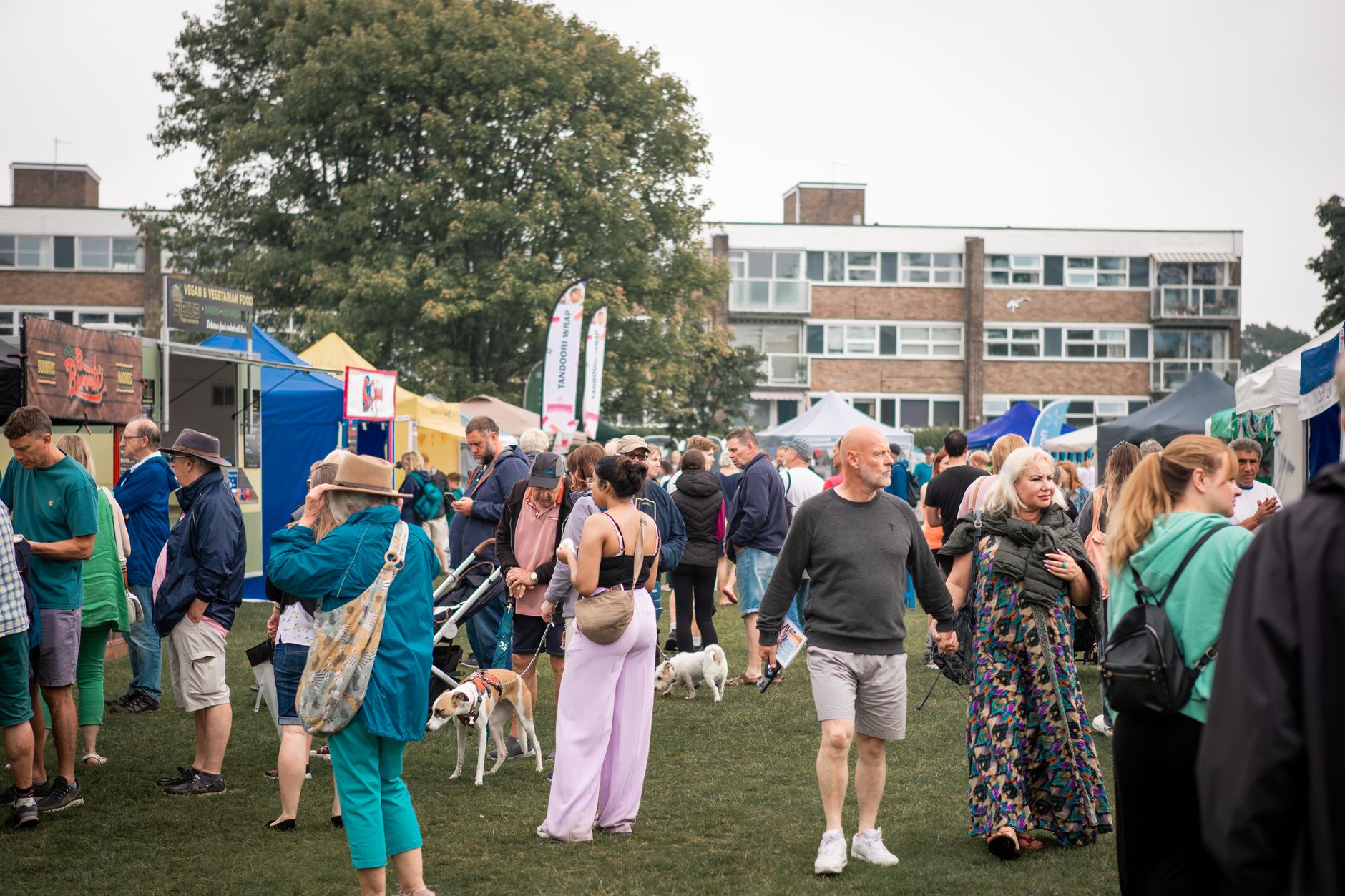
The agricultural show is where the calendar turns strange for newcomers. Cattle lines, a heavy horse parade, a terrier race and a craft marquee coexist within a hundred metres of each other. Dog classes are a fixture, and breed societies staff information stands beside the ring for most of the day.
Those stands exist partly to slow people down. A steward will happily explain that anyone arriving with a phone open on a search for a french bulldog puppy for sale has skipped several steps, and that a show ring is a place to study conformation and temperament rather than complete a transaction between the sheep judging and lunch.
Health testing dominates the conversation. Brachycephalic breeds carry documented airway and spinal risks, and the gap between a screened litter and a puppy french bulldog for sale advertised at a motorway services is measured in veterinary bills across a decade. Shows put those screening records directly in front of visitors, on paper.
Breed Stands and the Questions Stewards Hear Most
Stewards keep a mental tally of the phrasings visitors arrive with. The wording shifts constantly; the underlying question almost never does.
- Variants on puppy for sale french bulldog, usually from buyers who have not settled on a breed and are browsing on price alone.
- Geographic versions such as french bulldog puppy for sale uk or puppy french bulldog for sale uk, typically from people trying to avoid imports with thin paperwork.
- Proximity searches like english bulldog puppy for sale near me, puppy bulldog for sale near me and british bulldog puppy for sale near me, which are convenient but make distance a poor proxy for breeder quality.
- Colour-led queries, most often blue french bulldog puppy for sale, covering coats that sit outside recognised breed standards and attract heavy premiums.
Cost expectations get corrected on the spot. Ask about french bulldog puppy price uk and a society volunteer will quote a wide band, commonly £2,000 to £4,000 from a health-tested litter, then point out that novelty categories such as a mini bulldog puppy for sale or an american bulldog puppy for sale near me follow completely different economics and different health profiles.
What a Year of Events Actually Costs
A realistic annual figure for a household that attends regularly sits between £400 and £900. That assumes two or three ticketed weekends, half a dozen paid day events, and free parish gatherings filling the gaps between them. Camping instead of booking hotels moves the number toward the lower end fast.
Hidden costs cluster at the gate. Parking runs £5 to £10 at most shows, cash only in places. On-site food averages £9 to £14 per head, and craft beer at a festival bar rarely dips below £7 a pint. A packed lunch is considered rude nowhere except a members’ enclosure.
Membership schemes reward frequency. County agricultural societies charge roughly £40 to £70 annually and include show entry plus a car pass, while historic property trusts run similar arithmetic. Two visits usually break even, which makes the decision straightforward for anyone living within an hour’s drive of the ground.
- Ticketed music weekend with camping: £180 to £280 per person
- County show day ticket plus parking: £25 to £40 for two adults
- City fringe festival, five shows across a weekend: £60 to £110
- Village fête, bonfire night and carol service combined: under £15
- Annual society membership offsetting three day tickets: £40 to £70
From Spectator to Organiser
Most events run on volunteers, and the shortage is chronic rather than seasonal. A mid-sized show needs car park marshals, gate staff, ring stewards and someone genuinely competent with a first aid kit. Committees accept help readily and ask for far less commitment than people assume, often two days a year.
Insurance and licensing are the two things that sink amateur organisers. Public liability cover for a small fête costs £150 to £400, a temporary event notice runs around £21 from the local authority, and road closures need several weeks of lead time. Start that paperwork in winter, not in May.
The payoff is control over what the calendar contains. British cultural events survive because somebody keeps booking the hall and chasing raffle prizes, and one determined organiser can revive a lapsed tradition within two seasons. Attendance follows habit, so the third year is the one that tells you whether it will hold.
How do I find british cultural events near me?
Start with three sources rather than one. Local authority listings pages carry licensed events because organisers must notify the council anyway, which makes them unusually complete. Parish magazines and community noticeboards catch the unlicensed layer of fêtes, coffee mornings and carol services that never reaches a website. County agricultural societies publish fixed annual dates years ahead, so those anchor the calendar reliably. Add the regional tourist board newsletter for festivals with a marketing budget behind them. Cross-referencing those four sources takes roughly twenty minutes and typically surfaces three times more than a single search engine query returns on its own.
Is it worth buying tickets months in advance?
It depends entirely on tier. Large music weekends and headline arts festivals genuinely sell out, and early-bird pricing typically saves £30 to £60 per ticket, so committing early pays for itself. County shows, food festivals and heritage open days almost never sell out; buying ahead saves a few pounds and a queue, nothing more. Village events need no ticket at all. The advance booking that actually matters is accommodation, which inflates aggressively around any large gathering. A room three miles from a festival site can triple in price within hours of a line-up announcement, so secure the bed before the ticket.
What should I bring to a British outdoor event?
Assume rain regardless of the forecast. A waterproof coat, wellingtons or boots with grip, and a folding chair cover most situations; umbrellas are impractical in a crowd and banned outright at some venues. Carry cash, because parking attendants and small craft stalls frequently have no card reader and mobile signal at rural showgrounds is unreliable. Sun cream matters more than visitors expect on an exposed field with no shade. If dogs are permitted, bring water and a short lead, and check the specific event policy first, since livestock areas are routinely dog-free zones for welfare reasons.