
Army Cadet Adult Volunteer Roles: A Complete Guide for UK Communities
Exploring army cadet adult volunteer roles is one of the most practical ways to give structured time back to your town, and the range on offer surprises most newcomers. People assume army cadet adult volunteer roles mean drill nights and uniforms only, when in reality a detachment depends just as heavily on treasurers, minibus drivers, first-aid instructors and committee members who never wear a beret. A typical Army Cadet Force detachment runs one or two evenings a week, roughly 38 weeks a year, supported by weekend field days and an annual camp of seven to ten days. Adults join from every background: retail managers, nurses, plumbers, retired teachers and people with no military connection whatsoever. What the organisation asks for is consistency, patience with 12 to 18 year olds, and a willingness to be trained. What it gives back is nationally recognised qualification, a strong social network, and a measurable effect on young lives in your postcode.
What Army Cadet Adult Volunteer Roles Actually Involve
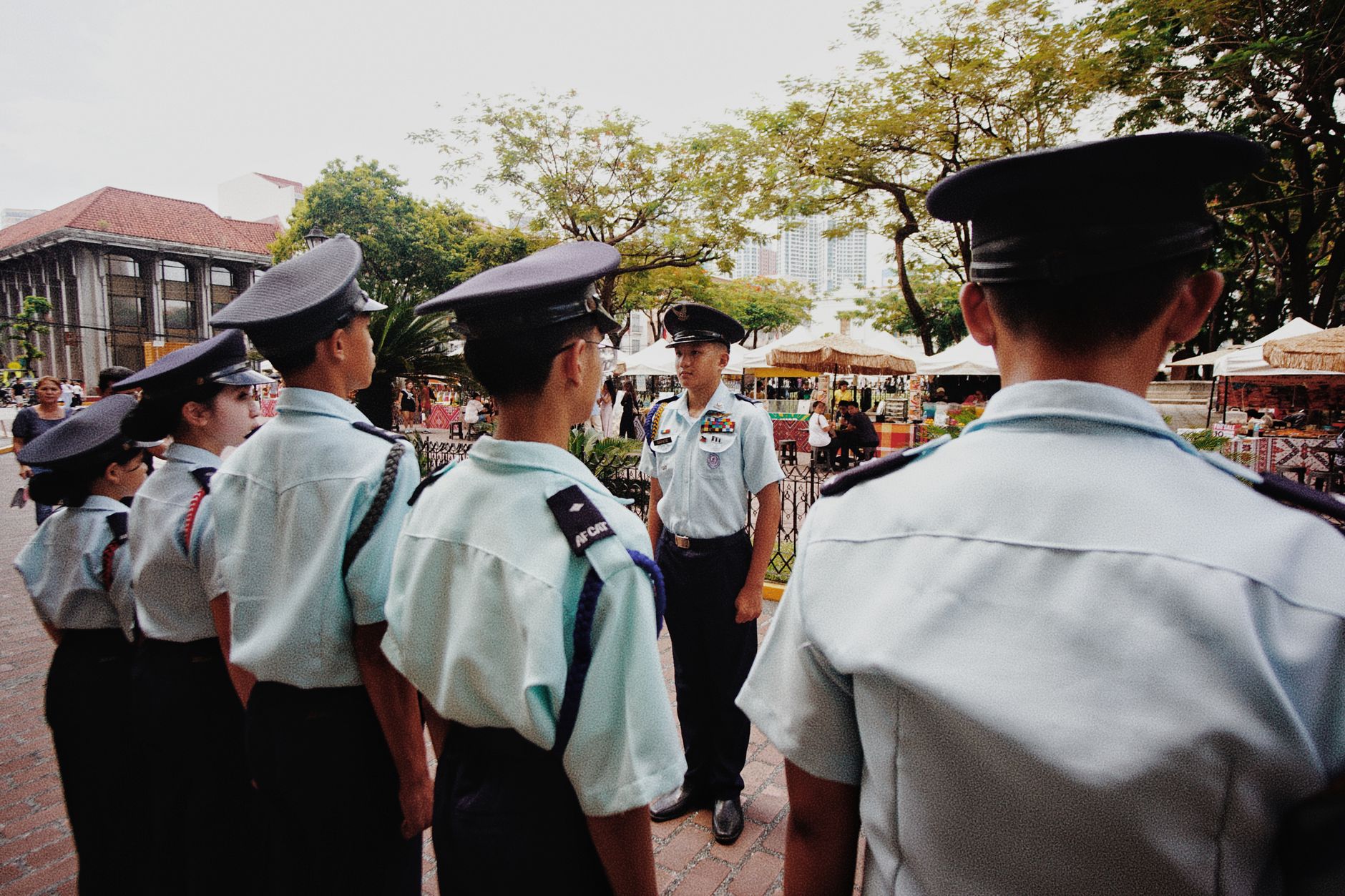
Uniformed adults join as a Senior Cadet Instructor or Adult Under Officer pathway and begin as a probationary instructor, wearing rank slides marked accordingly until initial training is complete. The weekly commitment is usually one parade night of about two and a half hours, plus preparation. Detachment Commanders carry additional administrative load, typically another two to four hours weekly for registers, risk assessments and parent communication.
Civilian Assistants form the second major category and require no uniform, no fitness test and no annual camp attendance. They handle stores, accounts, fundraising, catering during exercises and transport. Many county committees actively recruit people with finance or governance experience, and the skills overlap neatly with knowing how to set up a charity or serving on a village hall trust, since cadet units operate under charitable oversight and audited accounts.
Specialist instructors bring a single technical strength: shooting, adventurous training, signals, music or first aid. A qualified mountain leader might attend four weekends a year and nothing else. A registered nurse may deliver casualty-care modules twice a term. The organisation is deliberately flexible about this, because rigid demands drive away the exact professionals cadets benefit from most.
Rank, Progression and Time Served
Progression follows a structured ladder. After completing the Initial Training Course, adults advance through Sergeant Instructor to Staff Sergeant Instructor, with commissioning available for those seeking officer responsibility. Promotion depends on qualification and vacancy, not on time alone, and a committed volunteer commonly reaches Sergeant Instructor within two to three years of joining.
Eligibility, Vetting and the Application Timeline
Applicants must be at least 18, though most counties prefer candidates aged 20 and above for uniformed instructional posts, and there is no upper age limit for Civilian Assistants. You do not need prior military service. UK residency for the preceding period required by security checks is essential, and you must be free of relevant unspent convictions.
Enhanced DBS clearance is mandatory and non-negotiable, alongside safeguarding training, two references and a county-level interview. Expect the full process to run eight to sixteen weeks from first enquiry to first parade night. That timeline frustrates people, but it mirrors safeguarding standards found in other youth-facing positions, including the checks applied when learning how to become a school governor at a local secondary.
Medical requirements are proportionate. Uniformed staff attending annual camp complete a self-declaration health questionnaire; a manageable condition such as controlled asthma or type 2 diabetes rarely blocks acceptance. Where a condition limits field activity, counties routinely redirect applicants toward classroom instruction, administration or a Civilian Assistant post rather than refusing them outright.
Costs, Expenses and What You Are Not Charged
Uniform, training courses and equipment are issued free. Volunteers claim mileage at the standard approved rate and receive a daily volunteer allowance during camps and courses, commonly between £30 and £40 per qualifying day. Nobody should pay out of pocket for core duties, and unexplained charges are a warning sign worth raising with county headquarters.
Comparing Cadet Volunteering With Other Community Commitments
Cadet work sits at the higher end of the commitment spectrum, which matters when choosing between local options. Weekly attendance across a school year is a genuine obligation, and detachments struggle badly when staff drift in and out. Anyone unsure about that rhythm should trial a shorter-cycle role first and return once their schedule settles.
Compare that to lighter-touch community activity. Learning how to volunteer at a food bank usually means a three-hour shift you can book fortnightly, while starting a community garden UK projects cluster their demands into spring and autumn. Both build similar civic muscles with far less administrative weight and no vetting delay of several months.
The table below sets out realistic comparisons so you can match capacity to expectation before committing to a detachment that will depend on you.
| Role | Typical hours | Vetting | Indicative cost to volunteer |
|---|---|---|---|
| Army cadet adult instructor | 4–6 hrs weekly, term time | Enhanced DBS + interview | £0, expenses paid |
| Food bank warehouse shift | 3 hrs fortnightly | Basic reference check | £0 |
| Charity shop assistant | 4 hrs weekly | Reference check | £0 |
| Parish councillor | 6–10 hrs monthly | Election or co-option | £0, allowances vary |
| Community garden coordinator | Seasonal, 5 hrs weekly | None standard | Membership £5–£20 yearly |
Training, Qualifications and Transferable Skills
The Initial Training Course covers safeguarding, risk assessment, instructional technique, drill and the cadet syllabus, usually delivered across two weekends plus online modules. From there, adults access nationally transferable awards: first aid at work, D1 minibus entitlement, Duke of Edinburgh supervisor status, mountain and climbing qualifications, and shooting range management tickets.
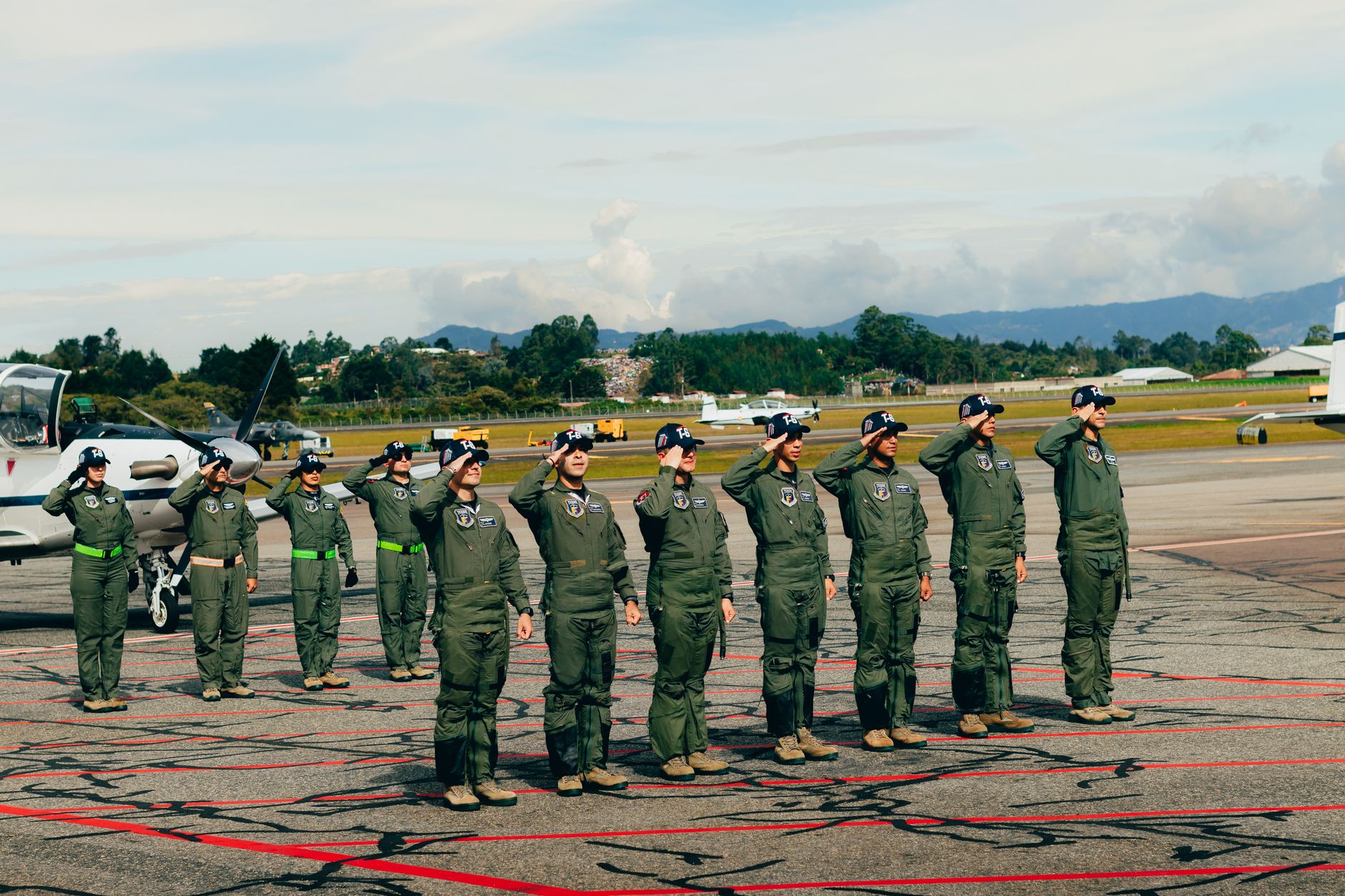
These qualifications carry weight far outside the cadet world. A supervisor certificate opens doors in outdoor education. Range and safety training demonstrates competence in risk governance. Administrative volunteers gain exposure to charity accounting, GDPR handling and grant applications, all of which translate directly into trusteeship and committee work elsewhere in the community.
Instructional practice also sharpens ordinary professional skill. Explaining map and compass work to a distracted 14 year old on a wet Wednesday teaches clarity under pressure that no corporate training day replicates. Volunteers routinely report improved public speaking, better conflict handling and stronger delegation habits after two years in post.
Adventurous Training and Annual Camp
Annual camp is the highlight and the heaviest lift: seven to ten consecutive days supervising cadets under canvas or in barracks. Employers must grant leave, and some offer paid volunteering days for exactly this. Adventurous training weekends, covering kayaking, hillwalking and climbing, run separately and offer a lighter alternative for volunteers who cannot clear a full week.
Fitting Cadet Work Into Wider Local Community Life
Detachments do not exist in isolation. They parade in scout huts, community centres and TA centres, and they rely on local goodwill for space and support. Understanding village hall hire cost UK figures, commonly £10 to £25 per hour for a main room, helps when a unit needs an overflow venue for exams, presentation evenings or fundraising suppers.
Cadets themselves deliver community service hours as part of their syllabus, and adults coordinate that work. Detachments regularly support the UK food bank referral process by running collection drives, assist with donating clothes to charity UK campaigns, and help stock a community fridge, which works by redistributing surplus supermarket and household food to anyone who wants it, without means testing or referral.
Local partnerships matter too. Understanding parish council meeting rules UK, including public participation slots and agenda deadlines, lets you request grant funding properly. Volunteers often help run a village fete, staff parking at events, or explain a neighbourhood watch scheme and how to start one, since cadets provide visible, disciplined support that organisers value.
How to Apply and Make the First Year Work
Start with your county Army Cadet Force headquarters, which handles recruitment centrally. Submit an expression of interest, then visit a detachment on a parade night before committing. That visit is diagnostic: watch how staff manage a room of teenagers and decide honestly whether that environment suits your temperament.
During vetting, keep momentum by attending as a visitor where permitted and completing online safeguarding modules early. Applications stall most often because references go unanswered, so warn your referees in advance and chase them at the ten-day mark. Counties will not push the process forward on your behalf.
In your first year, pick one specialism and one administrative contribution. Depth beats breadth. Volunteers who try to master shooting, expedition, drill and fundraising simultaneously burn out by month eight, while those who become the detachment’s reliable navigation instructor and minibus driver stay for a decade.
Frequently Asked Questions
How much time do army cadet adult volunteer roles realistically demand each week?
Budget four to six hours weekly during term time for a uniformed instructor. That breaks down as one parade evening of roughly two and a half hours, an hour of lesson preparation, and administrative messages spread across the week. Detachment Commanders should add two to four hours for registers, risk assessments, parental correspondence and stores checks. On top of the weekly rhythm, expect four to eight weekend field days annually and one camp of seven to ten days, though camp attendance is negotiable in genuine hardship. Civilian Assistants operate on a much lighter footing, frequently two to three hours a week handling accounts or equipment, with no camp obligation. The honest advice from experienced staff is to commit to less and deliver it consistently, because cadets notice absence immediately and detachments depend on predictable adult presence far more than occasional enthusiasm.
Is prior military experience required to join as an adult volunteer?
No, and the assumption that it is deters many excellent candidates. A substantial proportion of adult staff have never served, arriving instead from teaching, nursing, engineering, hospitality, logistics and trades. The Army Cadet Force trains volunteers from scratch through its Initial Training Course, covering drill, safeguarding, instructional method, risk assessment and the cadet syllabus itself. Ex-service applicants bring useful familiarity with structure and terminology, but they must still complete the same youth-work and safeguarding training as everyone else, because supervising teenagers differs fundamentally from managing soldiers. What genuinely matters is patience, reliability, clear communication and the willingness to be corrected during your own training. Civilian skills often prove more valuable than military ones: someone who can reconcile accounts, write a grant bid or fix a laptop solves problems a detachment faces constantly, and those contributions are recognised and promoted just as readily.
What support exists if I want to volunteer but have limited mobility or health conditions?
Considerable support exists, and refusal is far rarer than applicants fear. Uniformed roles requiring annual camp and field exercises involve health self-declaration, but conditions such as controlled asthma, well-managed diabetes, hearing aids or historic injuries rarely bar acceptance. Where field activity genuinely is not viable, counties redirect candidates toward classroom instruction, cadet syllabus subjects like map reading theory, expedition planning, first aid teaching or communications, all delivered indoors. Civilian Assistant posts remove physical demands entirely while keeping you fully part of the team, covering finance, fundraising, stores management, transport coordination and committee work. Reasonable adjustments follow standard employment practice, including accessible venue selection and adjusted duty rosters. Raise your circumstances openly at the county interview rather than concealing them, because staff can only build a workable role around information they actually have, and most are experienced at doing exactly that.