
Cadet Force Adult Volunteer UK: The Complete Guide to Joining, Training and Staying the Course
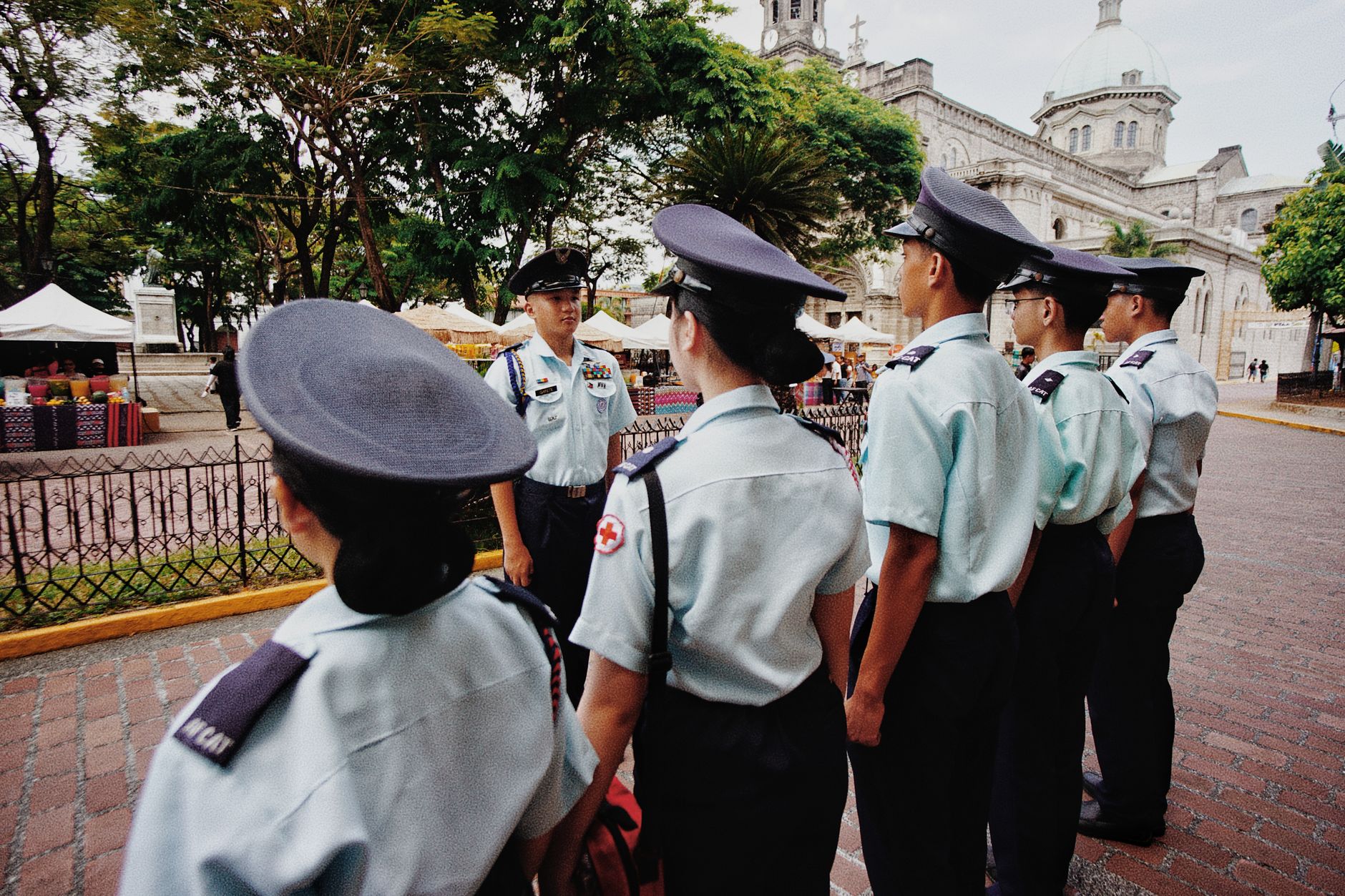
Becoming a cadet force adult volunteer UK units depend on is one of the most structured ways to give an evening a week to young people in your town. The cadet force adult volunteer UK system spans four uniformed organisations, and together they field roughly 25,000 adults supporting around 130,000 cadets aged 12 to 18. Unlike looser community roles, the commitment is defined rather than open-ended: a weekly parade night of about two and a half hours, one weekend a month, and an annual camp lasting up to a week. In exchange you receive funded qualifications, issued uniform, travel expenses and, in several of the organisations, a daily training allowance. This guide walks through eligibility, vetting, real costs in pounds, training pathways and how the role stacks up against other local volunteering options.
What a Cadet Force Adult Volunteer UK Role Actually Involves
Most serving adults describe the job as youth work in uniform. A typical parade night runs from 19:00 to 21:30 and covers drill, fieldcraft, navigation, radio procedure, first aid or Duke of Edinburgh’s Award sessions, broken up by admin, kit checks and a canteen run staffed by the senior cadets themselves.
Roles split into uniformed instructors, civilian assistants who handle finance, stores and safeguarding paperwork, and specialists such as chaplains, shooting coaches and adventurous training leaders. Prior military service is not required. Teachers, nurses, plumbers, HGV drivers and retail managers make up a large share of the adult cohort at most detachments.
Units also run weekend field exercises, range days, sailing weekends, band practice and community parades on Remembrance Sunday. Adults sign onto a duty rota rather than attending everything, so a realistic year might mean eight weekends away plus one week-long camp under canvas or in permanent barracks accommodation.
Comparing the Four Cadet Organisations
The four services differ in age range, funding route and the flavour of training you will deliver week to week.
| Organisation | Cadet ages | Typical adult commitment | Training focus |
|---|---|---|---|
| Sea Cadets | 10 to 18 | 1 evening plus 1 weekend monthly | Seamanship, sailing, rowing, engineering |
| Army Cadet Force | 12 to 18 | 2 evenings plus 1 weekend monthly | Fieldcraft, navigation, shooting, expeditions |
| RAF Air Cadets | 12 to 20 | 1 to 2 evenings plus monthly weekend | Flying, gliding, aerospace, radio |
| Combined Cadet Force | School-based, 12 to 18 | 1 afternoon in term time plus camps | Mixed service syllabus in schools |
| Volunteer Cadet Corps | 9 to 18 | 1 evening weekly plus camps | Military skills on defence establishments |
Eligibility, Vetting and How Long the Application Takes
You must be at least 18 to instruct, with several commissioning routes opening at 20. Most organisations set an upper entry age of around 55 while allowing service to 65 or beyond in civilian roles. You will need the right to work in the country, two referees and a short panel interview.
An enhanced Disclosure and Barring Service check is mandatory and free for genuine volunteers, where a paid applicant would face a fee of roughly £50. Anyone researching how to become a school governor will recognise the process: identity documents, five-year address history and a declaration covering cautions as well as convictions.
Expect eight to sixteen weeks from first enquiry to your first parade night in uniform, with the DBS return and a safeguarding module the usual bottlenecks. A probationary year follows, during which you shadow experienced staff, complete induction modules and attend one weekend of initial training before instructing unsupervised.
Training, Uniform and What the Role Really Costs You
Uniform, boots, waterproofs and load-carrying equipment are issued rather than bought, and stores staff will exchange sizes as required. Kit is signed for and returned when you leave, so it never follows the route of donating clothes to charity uk shops accept by the bagful when a wardrobe clear-out finally happens.
The financial picture is better than most people assume once allowances and funded courses are counted:
- Uniform, boots and field kit: issued free, replacement value roughly £250 to £400 per adult
- Enhanced DBS check: no charge to volunteers
- Initial training course: funded, normally two residential weekends
- Leadership and youth work qualifications: funded, worth £600 to £1,500 commercially
- Personal outlay: a head torch at £25 to £45, decent socks and a sleeping bag liner
Mileage is usually reimbursed at 45p per mile for approved journeys, and camps include rations and accommodation. London-based staff swap tips on the best charity shops in london for cheap civilian layers before expedition weekends, which keeps personal spending on soft kit close to nothing.
Fitting the Commitment Around Work, Family and Other Local Roles
The cadet force adult volunteer UK commitment averages four to six hours a week across the year once camps and quiet school holidays are averaged out. Many employers grant several days of special leave for annual camp, and a growing number count it toward staff volunteering allowances of two or three days.
That predictability is the main difference from drop-in community work. Someone asking how to volunteer at food bank sessions can usually give two hours on a single morning with no long-term tie, and the uk food bank referral process means the paperwork sits with referral agencies rather than the shift volunteer.
Other roles sit somewhere in between. A community fridge how it works explanation comes down to short daily collection slots and food hygiene basics, while a neighbourhood watch scheme how to start guide leans on a handful of coordinators, a WhatsApp group and quarterly street meetings rather than weekly attendance.
How the Hours Stack Up Against Other Community Roles
Set against school governance, cadet work is heavier week to week but lighter on documentation, since governors typically face six board meetings a year plus committee reading. Choose the pattern that survives a busy month at work, because reliability matters far more to cadets than enthusiasm in the first term.
Building Local Support Behind Your Detachment
Detachments run on donated goodwill as much as defence funding. A village hall hire cost uk committees typically charge sits between £12 and £25 an hour, so a unit without its own drill hall needs a sponsor, a discounted community rate or a shared arrangement with the local scout group.
Fundraising follows familiar community patterns. Anyone who knows how to run a village fete already understands the model: a tombola, a bacon roll stand, a raffle with donated prizes and a target of £1,200 to £2,500 for a summer afternoon that also recruits three or four new cadets.
Support committees often formalise themselves, and the same guidance covering how to set up a charity applies, with a charitable incorporated organisation and three trustees the usual outcome. Familiarity with parish council meeting rules uk clerks enforce helps when requesting a grant, much as it does when starting a community garden uk residents want on unused council land.
How Much Time Does a Cadet Force Adult Volunteer UK Role Really Take?
Plan on one parade night of two and a half hours each week during term time, plus one weekend activity a month and an annual camp of five to eight days. Averaged across twelve months, that lands between four and six hours a week, or roughly 250 hours a year.
The load is not evenly spread. Autumn recruitment, summer camp and expedition season demand more, while Christmas and August are genuinely quiet. Most units operate a rota so no adult attends every single event, and it is normal to declare a busy month in advance and step back without any awkwardness.
Administrative work adds one to two hours a week for those holding stores, finance or training officer appointments. Detachments with three or four active adults spread this comfortably; units running on a single volunteer feel the strain quickly, which is exactly why recruitment of new staff never stops.
Is There an Upper Age Limit for Adult Volunteers?
Most cadet organisations set an upper entry age of about 55 for new uniformed instructors, with service normally continuing to 65. Civilian assistant roles, committee posts and chaplaincy appointments often carry no upper limit at all, provided the individual remains medically fit for the duties they actually perform.
Fitness expectations are proportionate rather than military. You need to walk moderate distances over rough ground, carry a day sack and stay outdoors in poor weather, but nobody is running the annual fitness test. Adults with mobility limitations concentrate on classroom subjects, first aid, radio, banding or expedition base support.
The lower boundary matters more in practice. You must be 18 to join as an adult, and former cadets are typically asked to wait a year or move detachment before instructing, so that the age and authority gap between staff and cadets stays clear to everyone involved.
What Qualifications Will I Gain While Volunteering?
Funded qualifications are among the strongest reasons people stay. Common awards include a three-day first aid at work certificate, the Basic Expedition Leader award, mountain leader training, powerboat and dinghy tickets, range conducting officer status and recognised leadership and management certificates at level 3.
Bought privately, that portfolio would cost between £1,500 and £4,000, and several elements transfer directly into paid work in outdoor education, teaching, health and safety or youth services. Certificates are nationally recognised, sit outside the cadet system and remain valid if you later move to a different part of the country.
Safeguarding and child protection training is refreshed on a fixed cycle, usually every two to three years, and instructing itself builds evidence for teaching and coaching applications. Adults regularly report that presenting a syllabus to thirty teenagers on a wet Tuesday improved their workplace confidence more than any corporate course.