
British Traditions of Parliament: Rituals, Symbols and Why They Endure
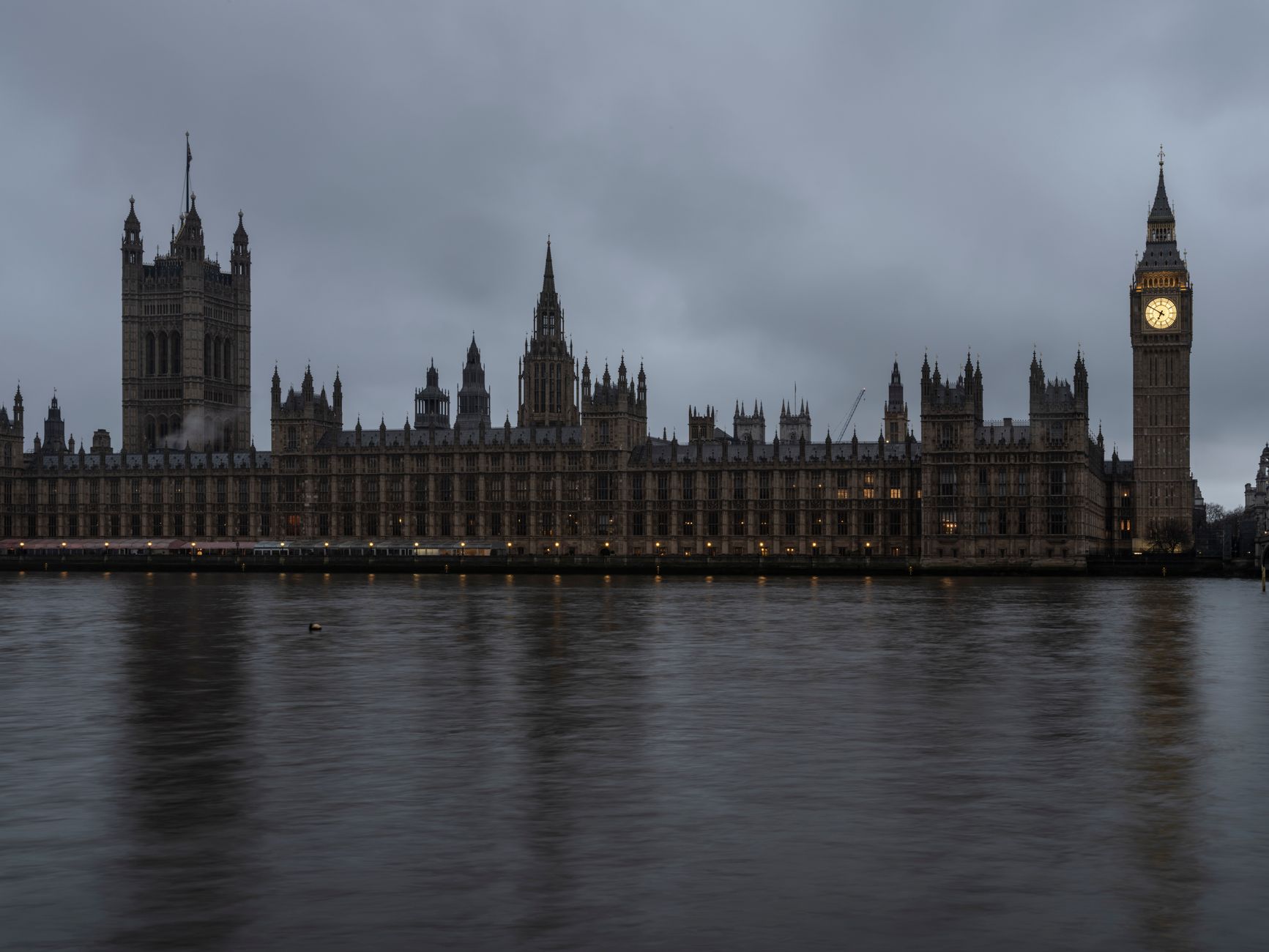
The british traditions of parliament survive because they carry meaning, not merely because they are old. Anyone who has watched Black Rod have the Commons door slammed in their face understands that the british traditions of parliament are a working language, communicating independence, precedence and consent in a few seconds of theatre. Westminster still runs on a mace carried before the Speaker, on green benches spaced two sword lengths apart, and on division lobbies where members walk through doors to record a vote. For readers across the UK, these customs matter beyond the tourist photograph: the same chamber that observes centuries-old ritual passes the statutes that govern school funding, planning permissions, dog breeding licences and the price of a family pet. This guide explains the ceremonies, the unwritten rules, the symbols, and the practical ways local communities can use them.
The State Opening: Choreography Older Than the Modern Cabinet
The State Opening sets the tone for a session. The monarch travels to the House of Lords, never entering the Commons, a separation dating to Charles I’s 1642 attempt to arrest five members. A government whip is held at the palace as a ceremonial hostage until the sovereign returns safely.
Before the ceremony, the Yeomen of the Guard search the cellars with lanterns, a ritual inherited from the Gunpowder Plot of 1605. The search finds nothing, and everybody knows it will. Its purpose is continuity: a reminder that the institution has survived plots, fire and bombing. Cameras record it; the lanterns remain deliberately archaic.
The Lord Chancellor hands the sovereign a printed speech written entirely by ministers. The monarch reads policy they had no part in drafting, which is the constitutional point: the Crown speaks, the government decides, and the distinction is performed in front of both Houses at once.
Black Rod and the Door That Is Slammed on Purpose
Black Rod walks from the Lords to summon MPs, and the Commons door is shut in their face. Three strikes with the ebony staff earn admittance. The gesture re-enacts the Commons’ refusal to be commanded by the Crown, and the dent in the oak deepens with every new holder of the office.
Unwritten Rules of the Commons Chamber
Two red lines run along the Commons carpet, set slightly more than two sword lengths apart. Members are expected to stay behind them when speaking. Swords have not been worn in the chamber for centuries, yet the lines still do the work of enforcing distance during furious exchanges.
Members address one another as the honourable Member for a constituency rather than by name, because the debate is formally conducted with the Speaker. That grammatical detour lowers the temperature. Erskine May, the procedural handbook first published in 1844, records which insults cross the line into unparliamentary language.
Voting happens on foot. When a division is called, bells ring across the estate and members have eight minutes to walk through the Aye or No lobby, where clerks record every name. The physical walk forces MPs past whips, colleagues and ministers who want a quiet word before the doors lock.
Symbols of Westminster and the British Bulldog
The mace, a gilded club roughly 1.5 metres long, must sit on the table for the Commons to conduct business. Remove it and the House cannot legally act, which is why occasional protests involve seizing it. Symbols in the british traditions of parliament carry legal force, not only sentiment.
Outside the chamber, national symbolism attached itself to a different figure. The bulldog became shorthand for British stubbornness through wartime cartoons and Churchill’s jowly profile, and the association stuck so firmly that families typing puppy bulldog for sale near me are buying into a political image as much as a breed.
That image carries commercial weight. Searches for english bulldog puppy for sale near me and british bulldog puppy for sale near me climb whenever national sport or royal ceremony dominates broadcast schedules. Breeders promoting a mini bulldog puppy for sale market the same iconography in a smaller, lighter frame with lower feed costs.
The American Bulldog, a working farm dog rather than a heraldic mascot, sits outside that tradition entirely. Listings for an american bulldog puppy for sale near me usually emphasise athleticism, stock work and drive, not ceremonial charm, and buyers should expect very different exercise demands.
From Ceremony to Statute: How Parliament Governs the Puppy Trade
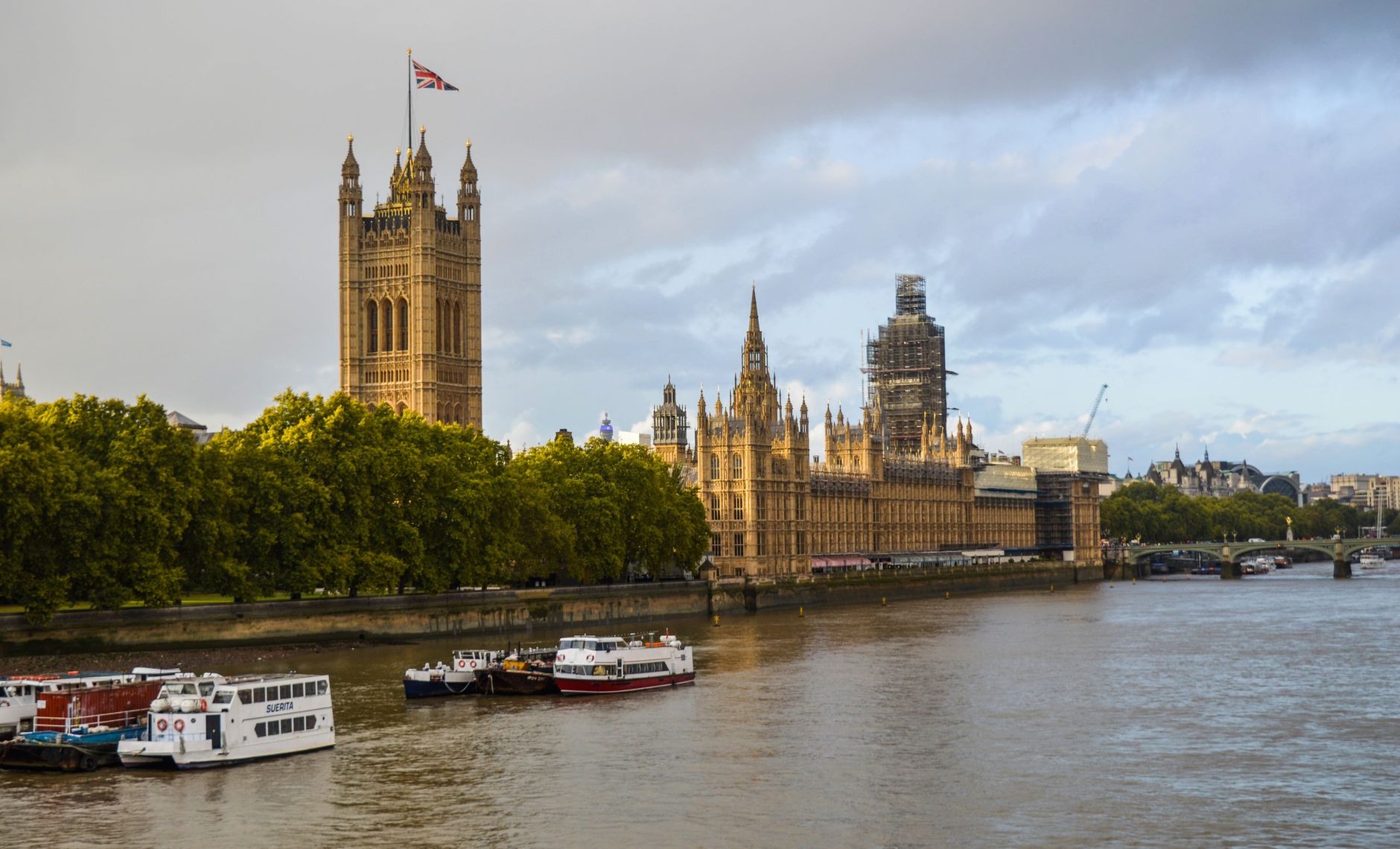
Ceremony is the surface; statute is the output. The Animal Welfare Act 2006 established a duty of care for kept animals in England and Wales, and later regulations required a licence for anyone breeding three or more litters a year or selling puppies as a business.
Lucy’s Law, introduced through secondary legislation after a sustained backbench and petition campaign, banned third-party sales of puppies and kittens in England. A licensed breeder must show the puppy with its mother. Any advert for a french bulldog puppy for sale that dodges that meeting fails the most basic test.
Select committees and all-party groups have pressed further, questioning the breeding of flat-faced dogs whose airways cause lifelong distress. Adverts offering a puppy french bulldog for sale rarely mention corrective BOAS surgery, which can run past £2,000 at a specialist referral centre once diagnostics are included.
Search behaviour shows how loosely buyers approach the decision. People type puppy for sale french bulldog, french bulldog puppy for sale uk and puppy french bulldog for sale uk within a single evening, then buy from whichever listing replies first, which is the exact impulse the legislation was written to slow down.
What the Numbers Look Like for Buyers
| Route or type | Typical UK price range | Paperwork to demand |
|---|---|---|
| Kennel Club registered French Bulldog | £2,000 – £3,500 | Registration, BOAS grading, mother present |
| Dilute or rare colour French Bulldog | £3,000 – £6,000 | DNA colour panel, skin health history |
| English Bulldog from licensed breeder | £2,500 – £4,000 | Hip score, breeder licence number |
| American Bulldog | £1,200 – £2,500 | Hip and elbow scores, NCL test |
| Breed club rescue or rehoming | £200 – £400 | Home check, veterinary summary |
A blue french bulldog puppy for sale commands the steepest premium because the dilute coat falls outside Kennel Club colour standards, and the same gene is linked to colour dilution alopecia. A realistic french bulldog puppy price uk calculation also excludes insurance, which frequently exceeds £70 a month for the breed.
Using Parliamentary Custom in Your Own Community
Petitions are the most direct inheritance. A petition on the official parliamentary site that passes 10,000 signatures receives a written government response, and 100,000 signatures triggers consideration for a Westminster Hall debate. Lucy’s Law travelled much of that route before ministers finally acted.
Select committees accept written evidence from members of the public, not only from lobbyists. A submission of two pages, carrying local figures and one clear ask, gets read. Community groups documenting a specific failure, such as unlicensed kennels or a withdrawn bus route, often land harder than national campaigns.
Local government borrowed the ritual too. Many town and borough councils keep a mace, a mayoral chain and a formal order of business copied from Westminster. Attending a council meeting reveals the same grammar in miniature, and public question time usually requires only a few days of written notice.
How do the british traditions of parliament shape modern lawmaking?
Ritual and procedure are the same thing at Westminster. The sequence of first reading, second reading, committee stage, report stage and Lords scrutiny is a ceremony with legal consequences: skip a stage and the bill fails. Tradition also allocates time, since Opposition days, private members’ bill Fridays and ten-minute rule motions each carve out speaking rights a government cannot simply cancel. Money bills must originate in the Commons, a rule from the seventeenth century that still decides which chamber controls taxation. For a citizen, the practical benefit is a predictable timetable: you can see when a bill is genuinely open to amendment and lobby your MP at that moment rather than after Royal Assent, when nothing can be changed.
Is the State Opening of Parliament open to the public?
Seats inside the Lords chamber are reserved for members, invited guests and accredited media, so the public cannot watch the speech from within the room. The processions along the route are free to view from the pavement, and arriving two to three hours early secures a usable position near Horse Guards or Whitehall. Broadcasters carry the full ceremony live and on catch-up, with commentary explaining each stage. For a closer look at the building itself, both Houses run public tours on non-sitting days, typically Saturdays and recess periods, with adult tickets around £30. UK residents can also request a free tour or a seat in the public gallery through their own constituency MP.
What does the bulldog symbolise in British political culture?
The bulldog stands for endurance rather than aggression: a squat, immovable animal that refuses to let go once it commits. Cartoonists attached it to Britain during the Napoleonic wars, and wartime propaganda fused the image with Churchill until the two were inseparable. That symbolism explains why the breed’s popularity climbs around national sporting and ceremonial moments, and why many households begin their research with a local search rather than a health-led one. The living animal deserves far more scrutiny than the mascot. Short muzzles, narrow nostrils, heavy shoulders and tight tail pockets create genuine veterinary costs, so responsible ownership starts with published health test results, an honest breeder conversation and a realistic insurance quote.