

British Traditions of Easter: Customs, Food and Community Games
The british traditions of easter stretch from solemn Good Friday services to village greens crowded with egg rollers on Easter Monday. Understanding the british traditions of easter means looking past chocolate shelves and into eight centuries of parish records, agricultural calendars and civic ritual. Across England, Wales, Scotland and Northern Ireland, the long weekend still shapes how communities gather, what they bake and where they walk. In market towns and city suburbs alike, the four-day break delivers the year’s first real burst of outdoor activity: church bells at dawn, painted eggs at breakfast, brass bands by lunchtime. This guide breaks down the origins, the food, the regional games, the parades and the modern habits that surround the holiday, with practical detail on costs, dates and what a typical family weekend actually looks like from Maundy Thursday through to the Tuesday return to work.
Where the British Traditions of Easter Began
Easter arrived in Britain with Augustine’s mission in 597 AD, but the festival slotted neatly into existing spring observance. The Venerable Bede, writing around 731, linked the English name to Eostre, a goddess honoured in April. That collision of church calendar and older farming ritual produced the layered customs still visible today.
The date moves because the Council of Nicaea fixed Easter Sunday as the first Sunday after the first full moon following the vernal equinox. In practice that places it between 22 March and 25 April, which is why school holidays shift by up to five weeks from one year to the next.
Lent shaped the whole season. Forty days without eggs, butter and meat meant households stockpiled produce, and Shrove Tuesday pancakes cleared the larder. When the fast broke on Easter Sunday, the surplus eggs became gifts, decorated shells and, centuries later, the confectionery aisle that dominates the supermarket.
From Pagan Spring Rites to Parish Records
Parish accounts from the fifteenth century record payments for Paschal candles, bell ringing and egges for the poore. Those ledgers are the clearest evidence that community charity, not chocolate, sat at the centre of the holiday. Many churches still distribute Maundy money, a royal ceremony dating to the reign of Edward I.
Hot Cross Buns, Simnel Cake and the Easter Table
Good Friday belongs to the hot cross bun. Bakeries across Britain sell spiced, fruited buns marked with a pastry cross, typically £1.50 to £3.50 for a pack of four in supermarkets and £1.20 each from an independent bakery. Traditionalists insist they are eaten warm, split and buttered.
Simnel cake carries eleven marzipan balls, one for each apostle minus Judas. Originally a Mothering Sunday gift baked by servant girls returning home, it moved to Easter Sunday during the Victorian period. A homemade version costs roughly £8 in ingredients; bakery examples run from £15 to £30.
Roast lamb anchors Easter Sunday lunch, echoing the Passover sacrifice and the arrival of spring stock. A leg of British lamb weighs 1.8kg to 2.5kg and costs £14 to £20 per kilo at the butcher. Fish on Good Friday, saffron cake in Cornwall and tansy pudding complete the regional picture.
| Dish | Traditional day | Typical UK cost | Origin |
|---|---|---|---|
| Hot cross buns | Good Friday | £1.50-£3.50 per four | Medieval spiced bread |
| Simnel cake | Easter Sunday | £15-£30 bakery | Mothering Sunday gift |
| Roast leg of lamb | Easter Sunday | £14-£20 per kilo | Passover symbolism |
| Chocolate shell egg | Easter Sunday | £3-£12 supermarket | Fry’s, 1873 |
| Cornish saffron cake | Easter weekend | £4-£9 per loaf | West Country tin trade |
Chocolate Eggs and the Cadbury Effect
The moulded chocolate egg reached Britain in 1873 when Fry’s produced the first, followed by Cadbury two years later. Supermarket shell eggs sit between £3 and £12, while artisan Easter eggs from small chocolatiers reach £45. UK shoppers buy around 80 million boxed eggs each season.
Egg Rolling, Pace Egging and Regional Games
Egg rolling survives strongest in the north. Children carry hard-boiled eggs, dyed with onion skins or beetroot, to a steep bank and race them downhill until the shells crack. Preston’s Avenham Park draws crowds of several thousand, and Bunkers Hill in Derbyshire has hosted the same contest for generations.
Pace egging takes its name from the Latin pascha. Costumed troupes in Lancashire and Yorkshire perform a short mummers play featuring St George, a doctor and Old Tosspot, collecting eggs or coins from doorsteps. The Bury Pace Eggers and Middleton troupes have revived scripts recorded in the 1800s.
Other games cluster around the same long weekend, and most cost nothing beyond a boiled egg and a tolerance for drizzle. Local councils and parish committees usually run them free of charge, though larger heritage sites charge £6 to £12 entry for organised hunts with a chocolate prize at the finish.
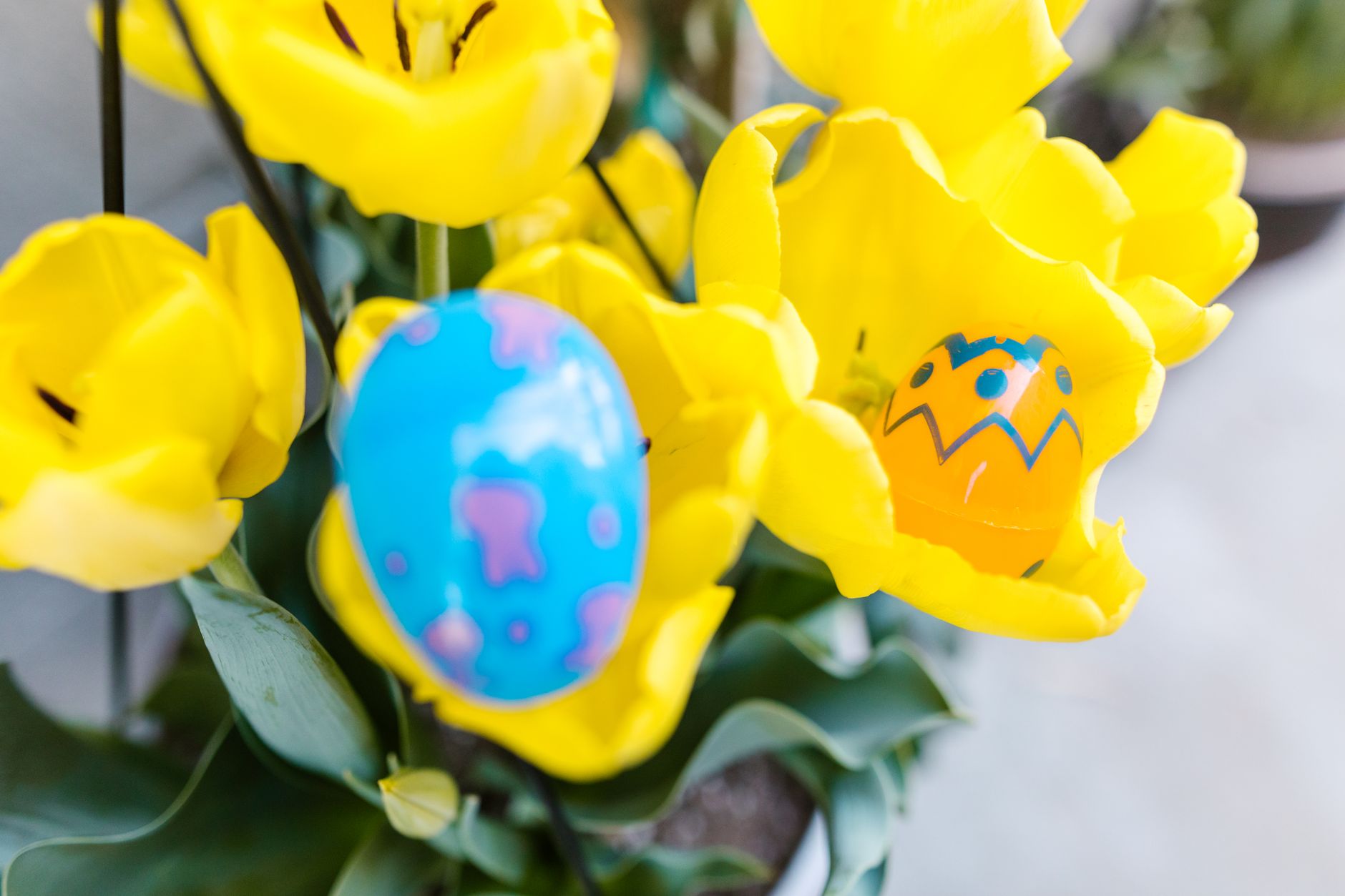
- Egg jarping in County Durham: two players tap eggs point to point until one shell fails.
- Bottle kicking at Hallaton, Leicestershire, following a hare pie scramble on Easter Monday.
- The Biddenden Dole in Kent, distributing bread, cheese and cakes since the twelfth century.
- Dawn morris dancing on hilltops across the Cotswolds and the Welsh borders.
- Church-run egg hunts on parish grounds, generally free with a suggested £2 donation.
Easter Bonnets, Parades and Community Fundraising
The Easter bonnet parade began as a Victorian display of new spring clothing, a signal that Lent’s austerity had ended. Primary schools kept the custom alive: children build hats from card, ribbon, artificial chicks and moss, usually spending under £5 on materials from a craft shop.
Battersea Park hosted London’s grand Easter Parade from 1858, complete with decorated floats and marching bands. Smaller towns replaced it with duck races, morris sides on the high street and church coffee mornings. A village fete of this size typically raises £400 to £1,500 for the parish roof fund.
Morris dancing marks the season’s official opening for many sides. Cotswold teams dance out at dawn on Easter Monday, while the Britannia Coco-nut Dancers of Bacup process eight miles through the town on Easter Saturday in clogs, barrel skirts and distinctive costume, a custom traced to the 1850s.
The Easter Break, Spring Pets and New Family Arrivals
The four-day weekend is the single busiest window for family decisions that need time at home. Breeders and rescue centres report a spike in enquiries as soon as term ends, because a two-week school break gives a new animal an unbroken settling-in period that a normal weekend cannot.
Search behaviour follows the same rhythm. Queries such as french bulldog puppy for sale and puppy french bulldog for sale climb sharply through the holidays, alongside puppy for sale french bulldog phrasing from less experienced buyers. Anyone typing french bulldog puppy for sale uk should expect a wait of three to six months.
Price discipline matters more than speed. The realistic french bulldog puppy price uk sits between £1,800 and £3,500 from a Kennel Club assured breeder, with health-tested parents and BOAS screening included. Listings far below that range usually signal imported stock, absent paperwork or a licence the seller cannot produce.
- puppy french bulldog for sale uk: £1,800-£3,500 from licensed breeders with full vet records.
- blue french bulldog puppy for sale: £3,000-£6,000, a colour the Kennel Club does not recognise.
- english bulldog puppy for sale near me: £2,500-£4,000, with higher lifetime insurance premiums.
- british bulldog puppy for sale near me: the same breed under its older regional name.
- puppy bulldog for sale near me: a generic phrase that returns several distinct breeds.
- mini bulldog puppy for sale: a crossbreed, not a recognised type, at £1,200-£2,500.
- american bulldog puppy for sale near me: £1,000-£2,000, and a far larger adult dog.
Whichever route a household takes, the guidance stays constant: see the puppy with its mother, check the microchip record against the seller’s paperwork and never send a deposit before visiting. An Easter arrival works only when the whole family is genuinely home to manage the first fortnight.
How Do the British Traditions of Easter Vary Across the UK?
Regional variation is sharp. Northern England keeps the physical customs alive: egg rolling in Lancashire and Cumbria, egg jarping in County Durham, pace egg plays in the Pennine mill towns. Cornwall bakes saffron cake and holds Good Friday walks to Bodmin Moor. Scotland leans on the Kirk’s quieter observance, with egg rolling on Arthur’s Seat and Edinburgh’s Calton Hill. Northern Ireland combines church services with the Easter Monday tradition of family outings to the coast. Wales retains clepping the church, where congregations walk hand in hand around the building. The shared thread is community participation rather than commercial spectacle, and almost every event is organised by volunteers.
Is Easter Monday a Public Holiday Everywhere in Britain?
Not everywhere. Good Friday and Easter Monday are bank holidays in England, Wales and Northern Ireland, giving most employees a four-day weekend. Scotland differs: Good Friday is a bank holiday there, but Easter Monday is not, so many Scottish offices, schools and councils operate normally on that day. Banks and government offices close on the recognised days, while supermarkets follow restricted trading rules on Easter Sunday in England and Wales, where large stores over 280 square metres must stay shut. Pubs, garden centres and smaller convenience shops trade as usual. Anyone planning travel should check regional variations, because train timetables and bus services also run reduced schedules.
What Makes a Traditional British Easter Weekend Worth Attending?
The appeal is the density of free, genuinely local activity packed into four days. A typical weekend opens with a Maundy Thursday service, moves to hot cross buns and a fish supper on Good Friday, then fills Saturday with village fetes, duck races and craft markets where stalls cost traders £15 to £40. Easter Sunday brings dawn services, roast lamb and egg hunts on church grounds. Easter Monday delivers the loudest events: egg rolling, morris dancing, bottle kicking and bonnet parades. Costs stay modest, with most entry free and heritage sites charging £6 to £12. Bring waterproofs, cash for tombola stalls and comfortable footwear.