
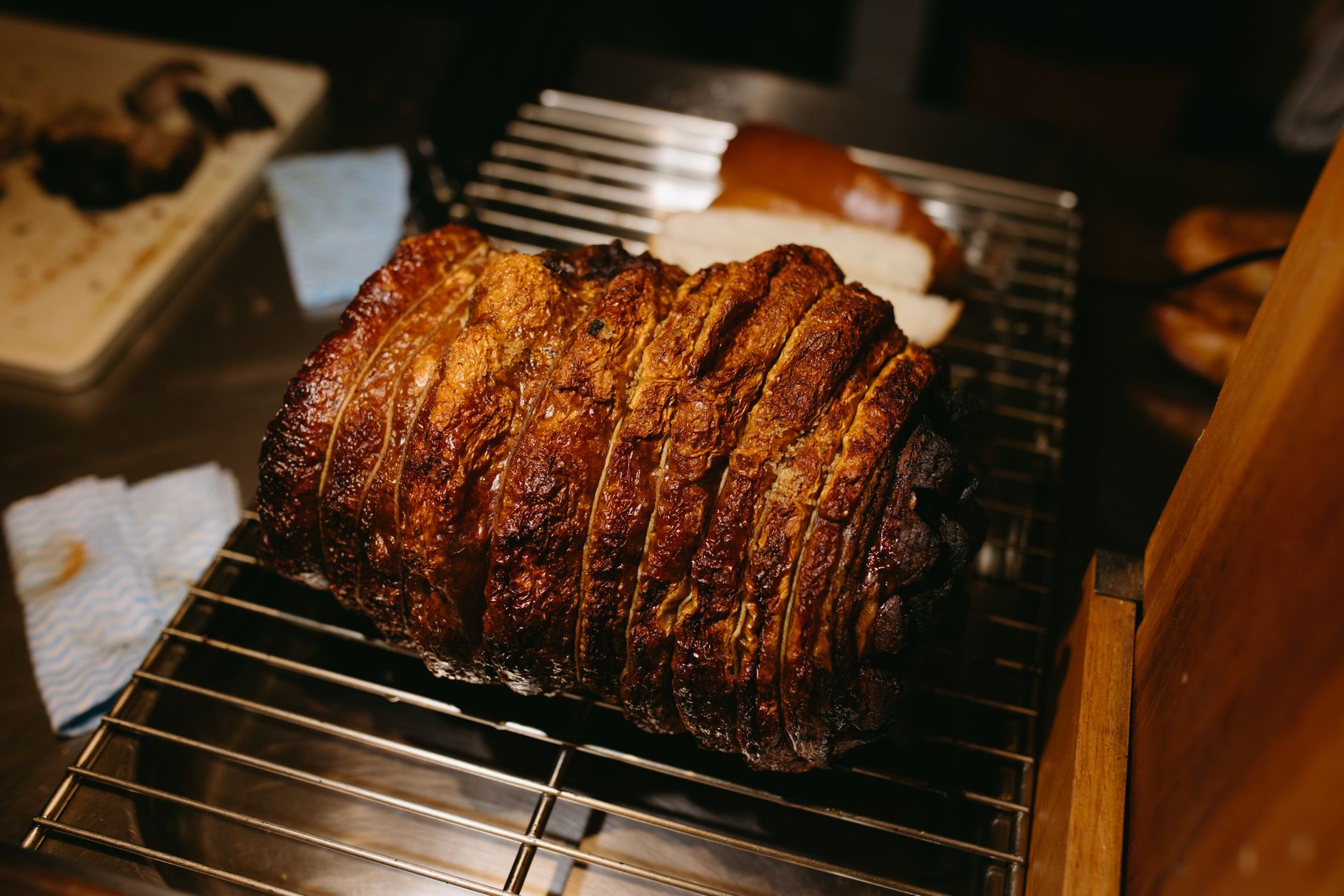
The British Tradition of Sunday Roast: A Complete Local Guide
The British tradition of Sunday roast survives because it does something no delivery app can replicate: it fixes a time, a table and a group of people to a single meal. Anyone who has walked past a village pub at half past one on a Sunday knows the signs, steamed windows, a queue three deep at the bar, and the smell of beef dripping carrying down the street. This guide covers where the ritual came from, what a proper plate costs in a pub compared with cooking it yourself, which joints reward a beginner, and how carveries across the country have adapted to smaller households, tighter budgets and dog-friendly bars. Whether you cook for two or twelve, the mechanics stay the same: one oven, three timings and a gravy that deserves far more attention than it usually receives.
How the British Tradition of Sunday Roast Took Shape
The ritual predates the neat carved joint most people picture. Medieval households roasted meat on a spit over an open fire, and villagers in Yorkshire traditionally left a joint cooking while they attended morning service, returning to a house already thick with the smell of rendered fat and hot fruit-wood smoke.
Industrial cities refined the habit out of necessity. Families without a large oven paid a few pence to have their joint cooked in the local baker’s oven while the bakery sat idle on a Sunday, collecting it on the walk home from church. The meal became a marker of the one guaranteed day off.
Rationing thinned the tradition considerably, with meat allowances measured in shillings rather than in pounds of weight. When restrictions finally lifted, the roast returned as a plain symbol of recovery, and the beef joint at the centre of the table carried social weight far beyond its calorie count or its cost.
From the Church Bell to the Carvery Counter
Carvery chains industrialised the format, offering unlimited vegetables and a chef in whites slicing to order at a heated counter. Critics called it a dilution of something better; publicans called it survival. Either way, it introduced the roast to families who had never owned a roasting tin large enough for a rib of beef.
What Actually Goes on the Plate
A complete plate rests on four elements: the meat, the potatoes, the vegetables and the gravy. Drop any one of them and regulars notice within seconds. Roast potatoes carry the most scrutiny, parboiled for eight minutes, roughed up in the colander, then finished in beef dripping or goose fat at 200C.
Yorkshire puddings provoke more argument than the meat itself. Purists serve them only with beef, as a first course with onion gravy, which was how labouring households stretched a small joint across a large family. Most pubs now serve one with every roast regardless of the meat, and few customers complain about the extra.
Vegetables vary by region and season: honey-roasted parsnips, buttered savoy cabbage, carrot and swede mash across the north, and cauliflower cheese as a paid extra in most gastropubs at around £4.50 a dish. Braised red cabbage appears from autumn onwards and quietly disappears again by late spring.
Beef, Lamb, Pork or Chicken?
Topside runs roughly £12 to £16 per kilo at a butcher’s counter, while rib of beef sits closer to £22 to £30. Leg of lamb lands near £14 to £18, pork shoulder around £7 to £9, and a free-range chicken feeding four costs £10 to £14, still the cheapest honest option on the counter.
Pub Roast or Home Roast: The Real Cost Comparison
A pub roast typically costs £16 to £24 per head outside London and £22 to £34 inside it. That price buys no washing up, no oven timing and somebody else’s gravy. For a table of four, the bill lands somewhere between £70 and £120 once drinks and a shared pudding are added.
Cooking the same meal at home for four costs roughly £18 to £26 in ingredients using chicken or pork shoulder, or £30 to £40 with a decent beef joint. The saving is real, but it arrives attached to three hours of oven management and a roasting tin that needs a long soak.
| Factor | Pub or carvery | Cooked at home |
|---|---|---|
| Cost per head | £16 to £34 | £4.50 to £10 |
| Time invested | Two hours seated | Three to four hours |
| Portion control | Fixed plate or unlimited veg | Entirely yours |
| Leftovers | None | Two extra meals |
| Dog welcome | Bar area only | Anywhere |
Leftovers change the arithmetic entirely. A £30 joint that yields Monday sandwiches, a Tuesday pie and stock for soup drops the effective cost per portion below £4. Pubs win on effort and on social value; home roasts win on economy and on the second and third meals nobody thought to budget for.
Sunday Roast, the Village Pub and the Dog by the Fire
The dog under the table is not an accessory to the meal. For a great many families it is the reason they chose one pub over the next one along the road. Roughly half of British pubs now welcome dogs in the bar area, with water bowls by the door and biscuits kept behind the pumps.
Flat-faced breeds dominate the Sunday floor space. Interest in them is relentless: listings for a french bulldog puppy for sale appear in their thousands every month, and anyone typing puppy french bulldog for sale into a phone between courses will find local litters advertised within twenty miles of the table.
Price is the sobering part of the conversation. The french bulldog puppy price uk generally sits between £1,200 and £3,500 depending on health testing and lineage, while a blue french bulldog puppy for sale often carries a premium well above that, a colour surcharge that reputable breed clubs actively discourage buyers from paying.
Community noticeboards and village groups still carry the same requests in plain language: english bulldog puppy for sale near me, puppy bulldog for sale near me and british bulldog puppy for sale near me all spike in the weeks before Christmas, which happens to be the worst possible season to bring a puppy home.
Choose the dog for the life you actually lead. A mini bulldog puppy for sale advert may promise a smaller, calmer animal, while an american bulldog puppy for sale near me listing usually describes something closer to forty kilos of muscle that will never settle quietly under a pub table for two hours.
Search phrasing changes the results more than buyers expect. Queries such as puppy for sale french bulldog, french bulldog puppy for sale uk and puppy french bulldog for sale uk return quite different mixes of licensed breeders and resellers, so always view the litter with its mother before any money changes hands.
Making the Roast Work in a Real Home Kitchen
The British tradition of Sunday roast is really an exercise in reverse timing. Fix the moment you want to eat, then work backwards: potatoes need 50 minutes, the joint needs its cooking time plus a 20 to 30 minute rest, and Yorkshire puddings need a fiercely hot oven for the final 25.
- Three hours before: joint out of the fridge, oven on to 220C
- Two hours before: joint seared and in, potatoes peeled and parboiled
- One hour before: parsnips and carrots in, batter resting on the side
- Thirty minutes before: joint out and resting, oven back to full heat
Resting is where most home cooks lose the meal. A joint pulled straight from the oven and carved immediately loses its juice onto the board. Twenty minutes under loose foil lets the fibres relax, and it hands you a free oven slot for the potatoes and puddings at full temperature.
Gravy deserves that resting time too. Pour off most of the fat, keep the browned sediment, stir in a tablespoon of flour, then deglaze with red wine, stock and the water the greens were boiled in. A teaspoon of Marmite or redcurrant jelly adds depth that stock cubes cannot fake.
How far in advance should you book a pub Sunday roast?
Two weeks is a safe margin for a well-reviewed village pub, and four weeks for Mother’s Day or Easter, when good kitchens sell out months ahead. Most pubs run two or three sittings, typically noon, half past one and three o’clock, holding the last sitting partly for walk-ins. Booking the earliest slot usually means the full menu is still available, because the three o’clock sitting tends to lose the beef first and the cauliflower cheese shortly after. If you are bringing a dog, say so when you book: dog-friendly tables are normally limited to the bar area and the snug rather than the main dining room.
Is the British tradition of Sunday roast still worth cooking for two?
Yes, provided you shop for the leftovers rather than for the single meal. A 1.4kg pork shoulder or a small free-range chicken costs £9 to £14 and produces six to eight portions, which brings the per-plate cost under £2.50 once potatoes and vegetables are counted in. Cook the full joint, carve what you need, then freeze the rest in meal-sized bags for pies, sandwiches and fried rice. Rolled brisket suits two people particularly well because it slow-cooks unattended for four hours and slices cleanly when cold. Scaling the joint down rarely works, since small pieces of meat dry out long before the potatoes crisp.
What is the best beef joint for a first Sunday roast?
Topside with a fat cap tied on by the butcher is the most forgiving starting point by a clear margin. It costs roughly £12 to £16 per kilo, holds its shape in the tin, and carves into neat slices without specialist knife skills. Buy 200g to 250g of raw weight per person, bring it to room temperature for an hour, sear it in a hot pan, then roast at 180C for about 20 minutes per 500g for medium. A £15 probe thermometer removes the guesswork entirely: 52C for rare, 58C for medium and 65C for well done, measured before the joint rests.