
British Traditions and Customs: An Insider’s Guide to Everyday Rituals
British traditions and customs are best understood as a working timetable rather than a museum exhibit, shaping how millions of people eat, queue, celebrate and keep pets from one week to the next. Read closely, British traditions and customs reveal a country that argues about the correct way to make tea, treats a village fete as serious business, and hands its national character to a stubborn, wrinkled dog. This guide is written for readers who want specifics: what happens on Pancake Day, why the pub quiz survives, what a Kennel Club registration actually certifies, and what families across England, Scotland, Wales and Northern Ireland genuinely spend on the customs they keep. Expect figures in pounds, comparisons between regions, and practical detail you can use whether you have lived here for forty years or arrived last month.
The Calendar Behind British Traditions and Customs
The British year runs on eight bank holidays in England and Wales, nine in Scotland and ten in Northern Ireland, and that uneven map explains a great deal. Employers, schools and rail timetables all bend around these dates, so the calendar is the closest thing the country has to a shared script.
Christmas dominates, but the shape of it is specific: crackers pulled before the meal, paper hats worn through the pudding, and the monarch’s speech at three o’clock. Boxing Day belongs to football fixtures, leftover turkey sandwiches and the sales, while New Year’s Eve tilts north towards Hogmanay and first-footing.
Regional markers matter just as much. Burns Night on 25 January brings haggis and recitation to Scottish households, St David’s Day fills Welsh schools with daffodils and leeks, and Northern Ireland keeps its own parade calendar through July. Cornwall, Yorkshire and the Isle of Man each guard local feast days with real seriousness.
Seasonal Markers From Pancake Day to Bonfire Night
Five fixtures anchor the non-religious side of the year, and most communities observe at least four of them:
- Shrove Tuesday, when pancake races run in Olney and supermarkets shift millions of lemons in a single week.
- May Day, with maypole dancing, Morris sides and the Padstow Obby Oss on the Cornish coast.
- Bonfire Night on 5 November, built around fireworks, toffee apples and the vast processions staged in Lewes.
- Remembrance Sunday, marked by poppies, a two-minute silence and services at parish war memorials.
- Boxing Day, which brings sea swims, charity runs and lower-league football played in freezing drizzle.
Tea, Queueing and the Unwritten Rules of Politeness
Britain drinks roughly 100 million cups of tea a day, and the ritual has grammar. Builder’s tea means strong, brewed three minutes, with milk added after the water. A pot in an independent cafe costs between £2.90 and £3.80, and refusing a cup in someone’s kitchen still reads as mildly suspicious.
Queueing is the second grammar. People form a line without discussion, resent anyone who edges forward, and apologise when someone else stands on their foot. The word sorry does the work of at least six sentences here, signalling regret, disagreement, a request to repeat something, or a polite instruction to move aside.
Sunday lunch remains the anchor meal of the week. A roast in a decent gastropub runs £16 to £24 a head, a carvery closer to £9, and the argument over Yorkshire puddings with beef, chicken or both never fully settles. Pubs stop serving at four, and latecomers are quietly out of luck.
The Bulldog, the Whippet and the British Household
Around 13 million dogs live in UK homes, roughly a third of all households, and no breed carries more symbolic weight than the bulldog. Wartime cartoonists drew the nation as one, Crufts has run since 1891 and now fills the Birmingham NEC with more than 20,000 entries, and breed clubs function as social institutions in their own right.
Search behaviour reveals the obsession better than any survey. The same intent arrives spelled a dozen ways, from french bulldog puppy for sale to puppy french bulldog for sale, and even the scrambled puppy for sale french bulldog. Add geography and the queries become french bulldog puppy for sale uk or puppy french bulldog for sale uk, all landing on the same classified sites.
Proximity drives the rest. A family in Leeds types english bulldog puppy for sale near me, a neighbour searches puppy bulldog for sale near me, and a third settles on british bulldog puppy for sale near me before driving forty miles to view a litter. Lucy’s Law ended third-party puppy sales in England, so responsible buyers insist on meeting the mother alongside the pups.
What a Bulldog Puppy Actually Costs in Britain
The french bulldog puppy price uk buyers face has climbed far above the cost of most native breeds, and the premium attached to a blue french bulldog puppy for sale usually reflects fashion rather than health. A mini bulldog puppy for sale may look cheaper, though crossbred types carry no breed standard at all.
| Type of listing | Typical UK price range | What buyers should check |
|---|---|---|
| French Bulldog, Kennel Club registered | £2,000 – £3,500 | Five-generation pedigree and BOAS grading for both parents |
| Blue or merle coat Frenchie | £3,000 – £5,000 | Colour is not recognised by the Kennel Club; health testing outweighs rarity |
| English or British Bulldog | £2,000 – £3,500 | Hip scores and caesarean history in the dam line |
| Mini or crossbred bulldog types | £1,200 – £2,200 | No breed standard, so ask exactly what the cross involves |
| American Bulldog | £900 – £2,000 | Working temperament, secure fencing and serious training time |
Budget well beyond the purchase price. Insurance for a flat-faced breed runs £45 to £90 a month, neutering costs £250 to £450, and airway surgery can pass £3,000. Anyone searching american bulldog puppy for sale near me should also price training classes and a car boot that fits a 45kg animal.
Pubs, Fetes and the Machinery of Local Community
The UK still counts roughly 45,000 pubs, down from more than 60,000 a generation ago, and the survivors have adapted. Quiz nights charge £2 entry, dominoes and darts leagues run through winter, and the community-owned model has rescued dozens of village locals through share offers of £250 a stake.
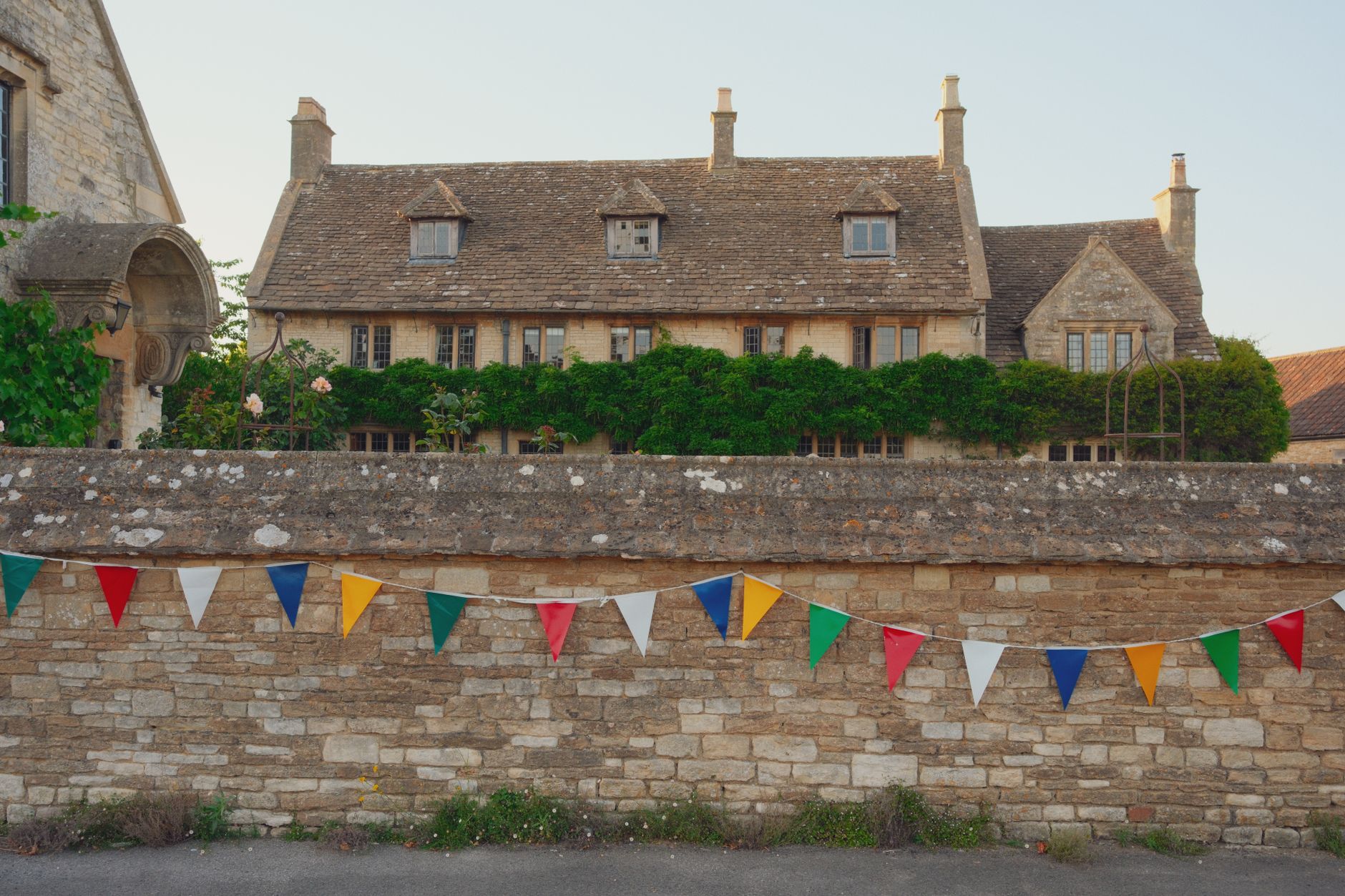
The summer fete is where local money is actually raised. Tombola, splat the rat, a dog show with rosettes for waggiest tail, and a cake stall run by the same three volunteers can clear £2,000 to £5,000 in an afternoon, funding a church roof, a scout hut or a defibrillator on the green.
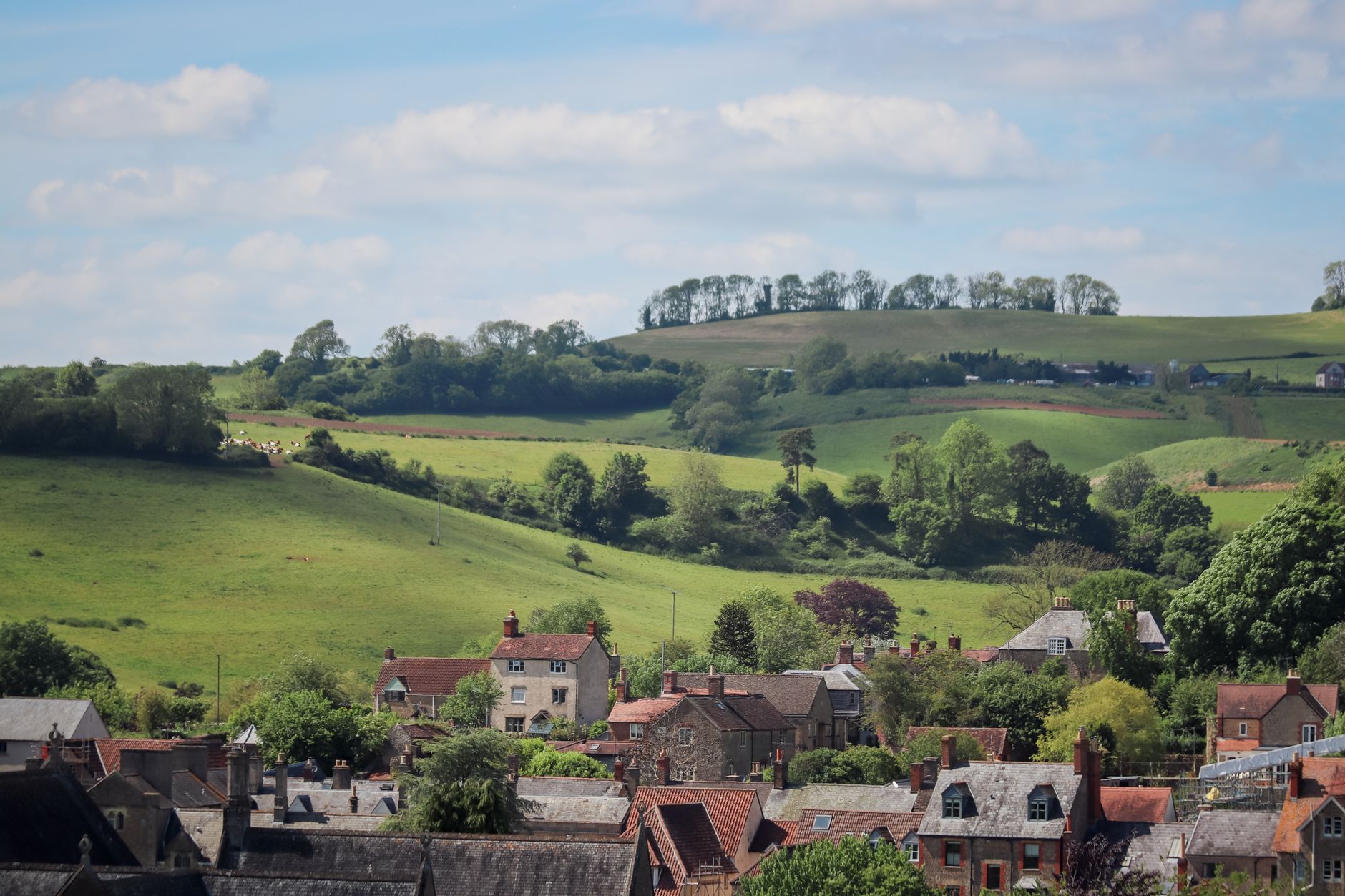
Underneath sits a layer of civic machinery outsiders rarely notice: parish councils setting a precept of a few pounds per household, the Women’s Institute, allotment associations with waiting lists running to seven years, and neighbourhood WhatsApp groups that now organise what noticeboards once did.
How British Traditions and Customs Keep Changing
British traditions and customs absorb newcomers rather than resisting them. Chicken tikka masala is claimed as a national dish, Leicester stages one of the largest Diwali celebrations outside India, and Notting Hill Carnival draws around a million people across the August bank holiday weekend.
Payment habits have shifted the rituals themselves. Fete stalls take contactless, church collection plates accept card taps, and the traditional cash-only village jumble sale has largely disappeared. Raffle tickets still get sold by hand, because nobody has found a digital replacement that feels remotely as satisfying.
Drinking patterns are moving too. Under-30s buy noticeably less alcohol, Dry January has become a mainstream fixture, and Saturday run clubs meeting at 9am now rival the pub as the weekly social anchor. The container changes; the impulse towards small, repeated, local gathering does not.
How Do Regional Customs Differ Across the Four Nations?
Sharply, and locals notice immediately. Scotland celebrates Hogmanay with more energy than Christmas Eve, keeps Burns Night on 25 January, and observes St Andrew’s Day on 30 November. Wales builds its year around St David’s Day, the National Eisteddfod and choral singing that still fills rugby grounds. Northern Ireland runs a distinct parade season through July, with its own bank holidays. England varies internally as much as the nations vary from each other: a Cornish pasty crimped on the side, Yorkshire’s insistence on a proper pudding, Lancashire hotpot, and Geordie New Year traditions that share little with the Home Counties. Assuming one British model will mislead you almost everywhere.
Is the Bulldog Still a Fair Symbol of British Identity?
It remains the most recognisable one, though the picture has become complicated. The bulldog stood for wartime stubbornness and appears on club badges, regimental crests and advertising, and breed enthusiasts sustain a serious club culture around it. Veterinary bodies, however, have raised sustained concerns about brachycephalic breathing problems, and the British Veterinary Association has urged buyers to prioritise health over flat-faced looks. The practical result is a split market: show-line breeders health-testing rigorously, and volume sellers meeting demand created by social media. Both Labradors and cocker spaniels now outnumber bulldogs in UK homes by a wide margin, so the symbol survives more strongly than the statistics.
What Should a Newcomer Learn First About Village Life?
Learn the noticeboard and the pub, in that order. The parish noticeboard lists the fete date, the council meeting, the mobile library slot and the bin calendar, and it is still the fastest route into local knowledge. Introduce yourself at the pub rather than waiting to be approached, since most villages are welcoming but rarely proactive. Volunteer once for something small: manning a stall, joining a litter pick, helping at the summer show. Learn the parking etiquette on narrow lanes, wave when someone reverses into a passing place, and expect news to travel within a day. Reciprocity, not enthusiasm, is what earns standing.