
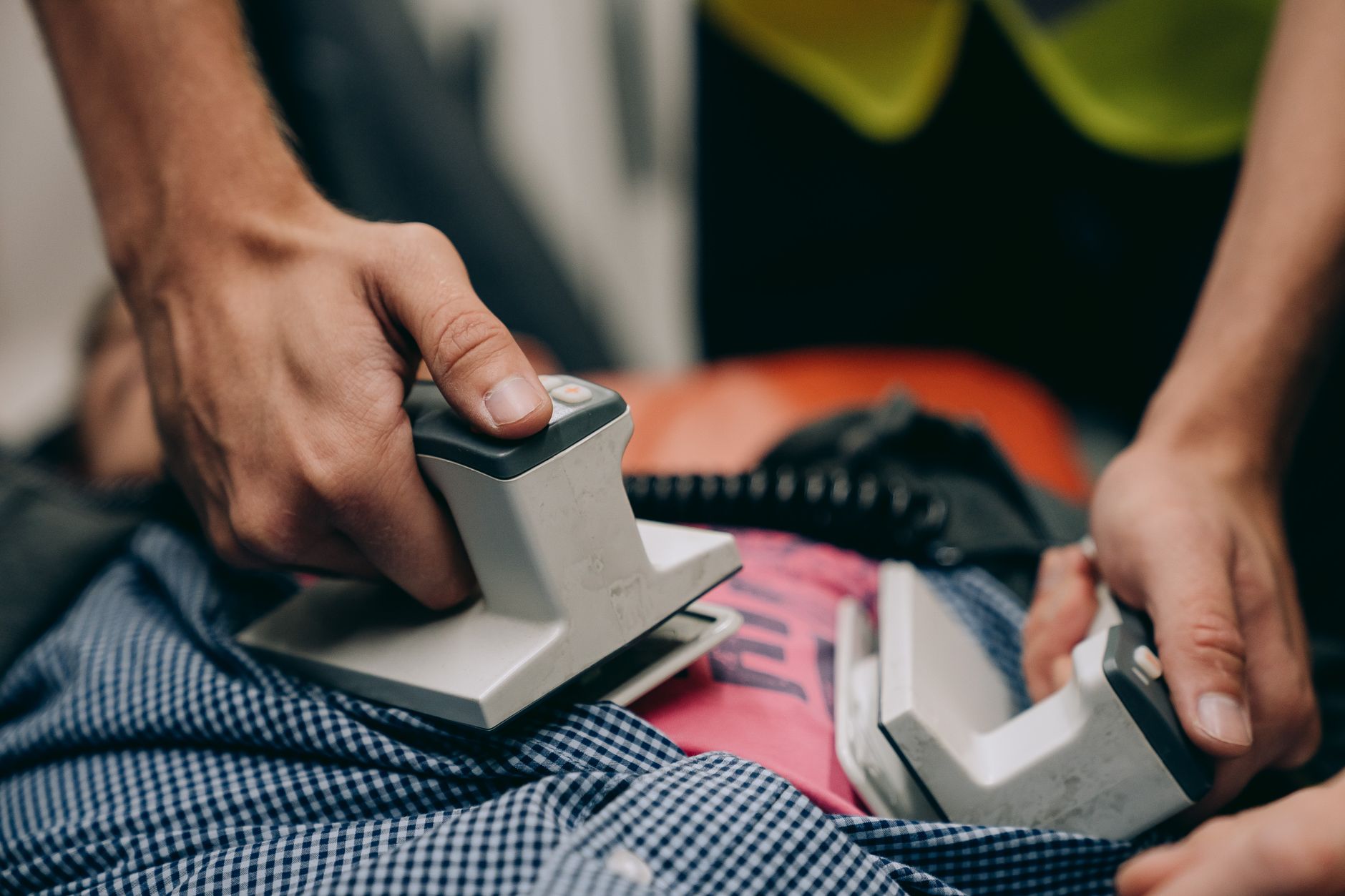
Securing a defibrillator grant for community groups is one of the most cost-effective safety projects any village, estate or high street can take on. A defibrillator grant for community groups typically covers between 50% and 100% of a package that costs £1,000 to £2,500 once you add the cabinet, installation and training. Survival from an out-of-hospital cardiac arrest falls by roughly 10% for every minute without defibrillation, and with average UK ambulance response times to the most serious calls sitting around eight to ten minutes, a public access unit outside a village hall or shop genuinely changes outcomes. This guide walks through who funds these devices, what the real costs look like, how to build an application that gets approved, and the practical steps of installation, registration and ongoing maintenance once the money lands in your account.
Who Funds Defibrillators for Community Groups in the UK
Funding comes from four broad pools: national charities and heart foundations, corporate and supermarket community funds, local authority and parish budgets, and lottery-style distributors. Each has a different appetite. Heart charities usually part-fund the device itself and expect the group to raise a matched contribution, while supermarket customer-vote schemes hand over £500 to £2,000 with far lighter reporting requirements.
Parish and town councils are the most overlooked source. They hold precept money and can resolve to fund a unit outright at a single meeting, often within six weeks. The parish council meeting rules uk framework requires agenda items to be published three clear working days ahead, so ask the clerk to list your request formally rather than raising it under any other business, where no decision can lawfully be taken.
Energy suppliers, housing associations, rural community councils and county-level community foundations run smaller pots between £250 and £5,000. These rarely attract heavy competition. A group that applies to three or four funders in parallel, rather than waiting for one decision at a time, usually has money secured within a single quarter.
Do You Need Charitable Status to Apply?
Many funders accept unincorporated associations with a written constitution, a bank account requiring two signatories, and a safeguarding statement. That is enough for most defibrillator pots. If you plan to fundraise beyond £5,000 a year, understanding how to set up a charity becomes worthwhile: a CIO registration with the Charity Commission takes roughly 6 to 12 weeks and unlocks larger grants plus Gift Aid at 25p per eligible pound.
What a Defibrillator Package Actually Costs
Budget realistically, because underestimating is the single most common reason applications get trimmed or rejected. The device is only part of the spend. A heated, locked outdoor cabinet, a certified electrical connection, signage and a first set of consumables all need line items in your application.
Semi-automatic units from established manufacturers sit at the lower end, while fully automatic models with paediatric modes cost more. Batteries last two to five years depending on the model, and pads expire every two to four years, so factor in a replacement reserve of roughly £120 a year across the lifetime of the unit.
| Item | Typical UK cost | Notes |
|---|---|---|
| AED device | £700 – £1,400 | Semi-automatic cheapest; 8-10 year lifespan |
| Heated locked cabinet | £450 – £700 | Unlocked cabinets cost less but risk theft |
| Electrical installation | £150 – £300 | Qualified electrician, fused spur required |
| Replacement pads and battery | £120 – £250 | Recurring every 2-4 years |
| Awareness and CPR training | £0 – £400 | Ambulance services often deliver free sessions |
Electricity for a heated cabinet costs around £15 to £25 a year. Ask the building owner to absorb this, since village hall hire cost uk rates already include a utilities element and most committees agree readily when the sum is presented as pennies per week rather than an open-ended commitment.
Building an Application That Gets Approved
Funders assess need, reach, sustainability and community backing. Weak applications describe a wish; strong ones describe a gap with evidence. State the distance to the nearest registered defibrillator, the population within a 200-metre walk, and the footfall of the site. If your nearest unit is 1.4 miles away and behind a locked school gate at weekends, say exactly that.
Demonstrate reach with numbers rather than adjectives. A hall hosting a toddler group, a bowls club, a polling station and a monthly market might see 400 visits a week. Community assets nearby strengthen the case: a community fridge how it works explanation, a food bank distribution point, or a well-used allotment site all indicate genuine daily traffic past the proposed cabinet.
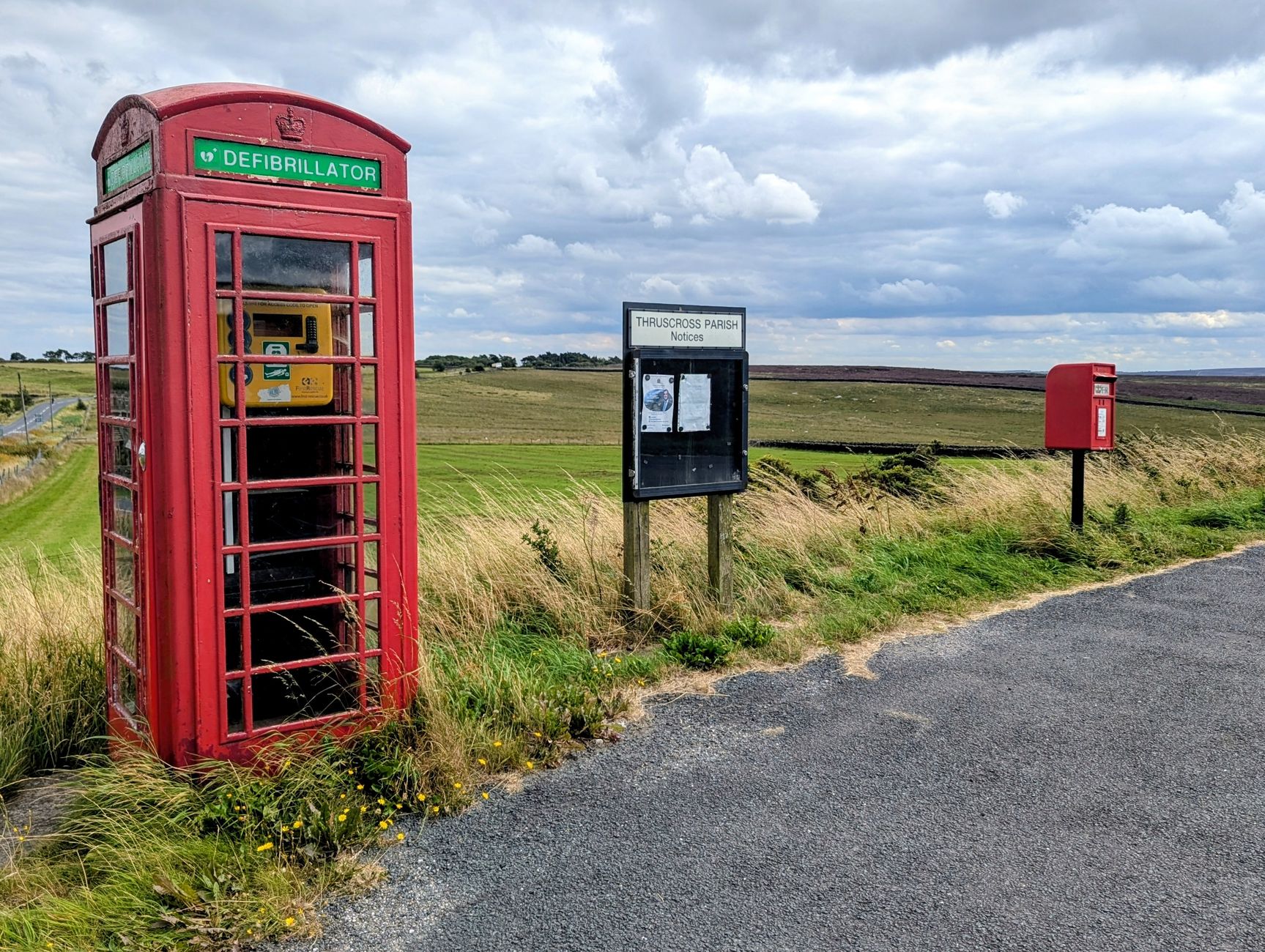
Sustainability is where applications quietly fail. Name the person responsible for the weekly visual check, confirm who holds the maintenance budget, and state that the unit will be registered on The Circuit, the national defibrillator network. Attach two or three letters of support and a photograph of the proposed location. Applications with photographs are noticeably more successful than those without.
Evidence That Strengthens Your Case
- Population and footfall figures for a 200-metre and 500-metre radius
- Distance and accessibility of the nearest existing AED
- Written commitment from the site owner allowing permanent fixing
- A named maintenance volunteer plus a deputy
- Quotes from two suppliers, dated within the last three months
- Letters of support from the parish council, school or a local business
Fundraising the Match Funding Locally
Most defibrillator grants expect a contribution of 20% to 50%. Raising £400 to £800 locally is straightforward if you run two or three events rather than one. Knowing how to run a village fete matters here: a modest event with 300 attendees, stall pitches at £15 and a raffle typically clears £700 to £1,500 after costs.
Recurring income beats one-off pushes. A monthly 100 Club at £5 a ticket generates around £3,000 a year with half returned as prizes. Committees that already coordinate donating clothes to charity uk collections or run bag-packing sessions can redirect one cycle of that effort toward the defibrillator fund without adding volunteer burden.
Local businesses respond well to named sponsorship. Offer a discreet engraved plaque on the cabinet for £250. Estate agents, funeral directors, pubs and independent pharmacies are consistently the most willing sponsors. Volunteers recruited through existing networks, whether that is people learning how to volunteer at food bank sessions or those already active in a neighbourhood watch scheme how to start group, tend to convert into reliable fundraisers.
Installation, Registration and Keeping It Working
Choose a location that is accessible 24 hours a day, visible from the road, and not behind a gate that locks at night. Mount the cabinet 1.2 metres from the ground to the base for wheelchair access. Confirm the site owner’s permission in writing, and check whether the building is listed, since consent can add six to eight weeks.
Register the unit on The Circuit immediately after installation. An unregistered defibrillator is invisible to the ambulance service, so a caller will never be directed to it. Registration is free and takes about fifteen minutes. Record the cabinet access code, the guardian’s contact details and the pad and battery expiry dates in the same entry.
Ongoing checks are simple: a weekly look at the status indicator, a monthly cabinet inspection for damage or condensation, and a diary reminder three months before consumables expire. Groups that fold these checks into an existing rota, whether that is the team behind starting a community garden uk or the volunteers on the hall booking rota, maintain far better compliance than those relying on a single individual.
Training the People Around It
Modern AEDs talk the user through every step and will not deliver a shock unless one is needed, so no qualification is required. Even so, a two-hour awareness session for 20 residents removes hesitation. Ambulance service community teams, local first aid trainers and school staff, including anyone who has looked into how to become a school governor and sits on a governing body, often deliver these sessions free or for around £150.
Frequently Asked Questions
How long does a defibrillator grant application usually take?
Expect four to sixteen weeks from submission to funds landing, depending on the funder. Parish and town councils are fastest, sometimes deciding within a single monthly meeting cycle of four to six weeks, provided the item reaches the published agenda in time. National charity schemes typically run quarterly panels, so a submission just after a deadline can wait three months for a decision. Supermarket customer-vote funds add a further voting period of one to three months before money is released. Corporate community funds sit in the middle at roughly eight weeks. Apply to three or four funders simultaneously rather than sequentially, and be transparent with each about your other applications, since most explicitly permit it and will simply reduce their award if you are overfunded.
Is a defibrillator grant available for groups without charity registration?
Yes, in most cases. The majority of defibrillator funders accept unincorporated community associations, parish councils, sports clubs, residents’ groups and parochial church councils. What they require is a written constitution, a dedicated bank account with at least two unrelated signatories, and recent accounts or a bank statement. Charity registration is only mandatory for a minority of larger grant programmes, particularly those distributing sums above £10,000. If your group lacks a constitution, adopting a standard model at your next meeting takes under an hour and satisfies nearly every funder. Alternatively, ask an established local body such as a parish council or village hall trust to act as accountable body and hold the funds on your behalf, which is a common and fully accepted arrangement.
What ongoing costs should we plan for after installation?
Budget roughly £120 to £180 a year averaged over the device’s life. Replacement electrode pads cost £45 to £90 and expire every two to four years even if unused. Batteries range from £120 to £300 and last two to five years depending on the model, with some manufacturers using a combined pad-and-battery cartridge. A heated cabinet draws modest power, adding £15 to £25 annually to the host building’s bill. Set aside a small reserve for cabinet repairs after storm damage or vandalism, typically £50 to £150. If the unit is deployed in a real emergency, pads must be replaced immediately, so keeping one spare set on hand is sensible. Many funders allow you to include a first replacement set in the original application, which is well worth requesting upfront.