
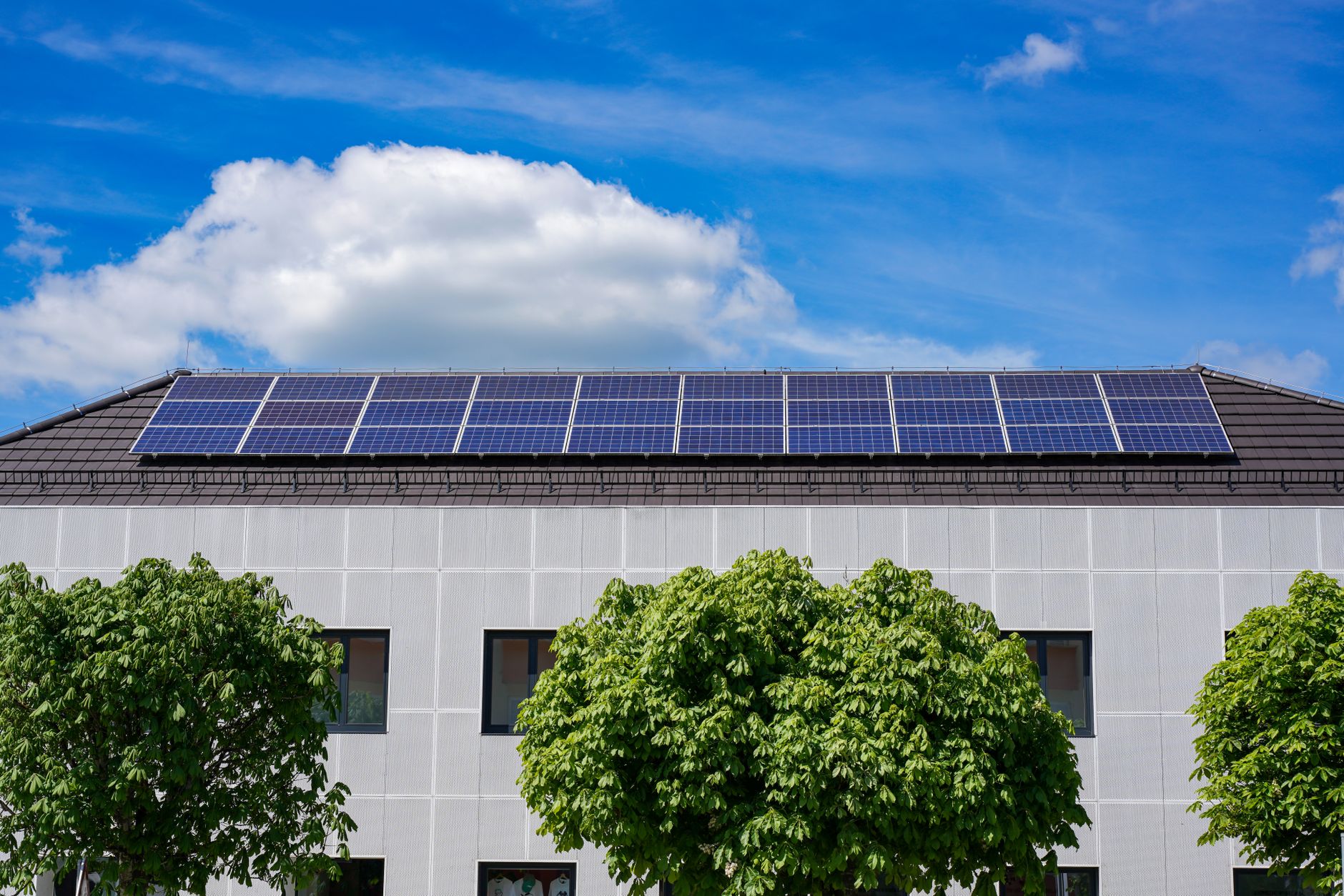
A community solar co-op uk guide is only worth reading if it deals in real figures, so this one opens with them: a 250 kWp rooftop array costs roughly £180,000 to £230,000 installed, draws that capital from 150 to 400 local members, and pays 3% to 5% interest on withdrawable shares. This community solar co-op uk guide follows the sequence that actually works in Britain — find the roof, model the electricity price, register the society, then open the share offer — because groups that fundraise before securing a host almost always stall. Community energy sits in the same civic space as allotments, warden schemes and village halls, and the people who make it work tend to already be volunteering somewhere. Expect eighteen months from first meeting to first generation, three or four determined organisers, and around £15,000 of pre-development spending you must raise before a single panel arrives.
What a Community Solar Co-op Actually Is
A community solar co-op is a democratically owned company that installs photovoltaic panels on a building it does not own, sells the electricity to the occupier at a discount, exports the surplus to the grid, and returns a modest income to its members. One member, one vote, whether someone invested £250 or £20,000.
The commercial logic is straightforward. A school, leisure centre or dairy pays 24p to 30p per kWh to its supplier, while the co-op can offer generation at 10p to 14p under a twenty-year lease. The host saves money without spending capital, and the society earns a predictable margin on every unit it sells behind the meter.
Scale matters far more than enthusiasm. Anything under roughly 50 kWp struggles to absorb the fixed costs of legal advice, share offer documents, metering and accreditation, which rarely fall below £12,000. Most viable projects sit between 100 kWp and 500 kWp, or bundle four or five small roofs into a single registered society to share those overheads.
Share Offers, Interest Rates and Honest Returns
Withdrawable share capital is the standard instrument. Members typically buy £250 to £25,000 of shares, receive 3% to 5% interest once generation stabilises, and may request withdrawal after a three-year lock-in period. Capital sits at risk, shares never rise in value, and the offer document must state both facts in plain language on page one.
Choosing a Legal Structure and Registering It
Almost every project in Britain registers as a community benefit society under co-operative legislation. This differs from learning how to set up a charity: a society registers with the Financial Conduct Authority rather than the Charity Commission, and an asset lock plus community benefit clause replaces charitable objects while still permitting member interest payments.
Model rules from a sponsoring body cost £500 to £1,500 and register within four to six weeks. Bespoke rules drafted by a specialist solicitor run £4,000 upwards and add two months. Unless your project has an unusual ownership split, take the model rules and spend the saved money on structural surveys instead.
Governance discipline decides whether the society survives its founders. Appoint five to nine directors, set a quorum of three, and minute everything. If the array sits on parish-owned land, the decision goes through a public meeting, and parish council meeting rules uk require agendas published three clear days ahead, so build that lead time into your programme rather than discovering it late.
Finding a Roof and Negotiating the Lease
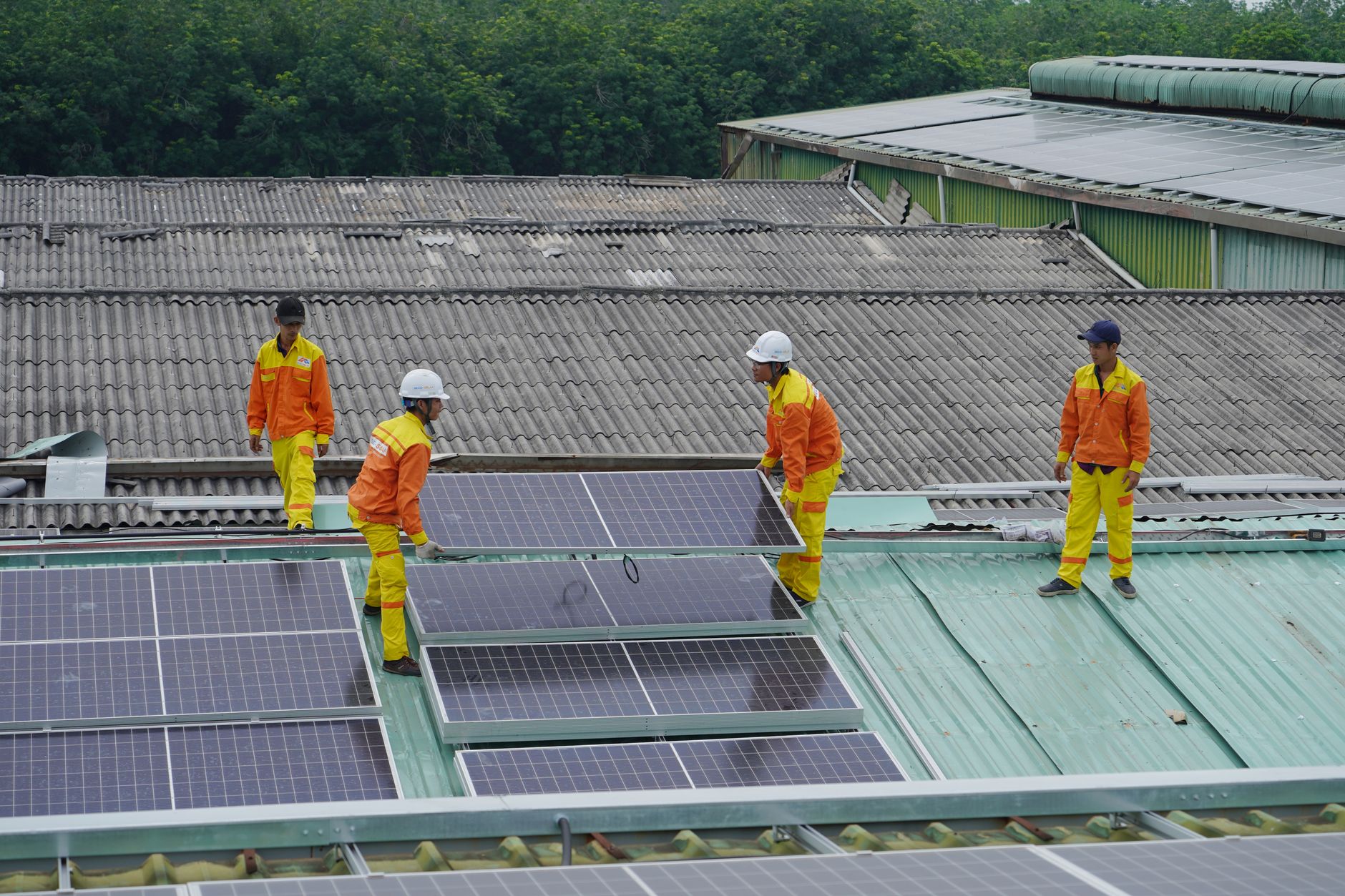
The ideal host has a roof covering under twenty years old, at least 400 square metres of unshaded pitch, a daytime baseload above 30 kW, and an occupier likely to still exist in fifteen years. Structural capacity matters too: an engineer’s report costs £800 to £1,800 and stops expensive surprises at installation.
Village halls feel like the natural first call, and they are worth approaching, but check consumption before you get attached. A hall letting rooms at £12 to £25 an hour may draw only 4,000 kWh annually, and village hall hire cost uk enquiries usually reveal bookings clustered in evenings and weekends, precisely when panels generate nothing worth selling.
Schools remain the strongest hosts because term-time demand aligns with daylight. Anyone researching how to become a school governor will find the two interests dovetail neatly, since governors approve the roof lease, and a governor who already understands the financial model can move a proposal through committee in one term rather than three.
Rooftop Versus Ground-Mounted: A Cost Comparison
Ground-mounted arrays cost less per kilowatt but earn far less per unit, because almost everything exports at wholesale rates instead of displacing retail-priced imports. The table below shows typical UK figures used in early feasibility work, before grid connection quotes and business rates adjust the picture.
| Host site | Typical array | Install cost | On-site use | Simple payback |
|---|---|---|---|---|
| Primary school | 60-100 kWp | £55,000-£90,000 | 65-75% | 9-11 years |
| Leisure centre | 150-300 kWp | £130,000-£250,000 | 80-90% | 7-9 years |
| Village hall | 10-25 kWp | £9,000-£22,000 | 25-40% | 12-16 years |
| Farm or dairy unit | 200-500 kWp | £170,000-£400,000 | 70-85% | 7-10 years |
| Ground-mounted field | 500 kWp-1 MWp | £350,000-£700,000 | 0-20% | 11-15 years |
Raising the Money Without Losing Momentum
Pre-development spending comes first and frightens people. Budget £3,000 for legal work, £2,500 for structural and electrical surveys, £4,000 for the share offer document, £1,500 for the grid application and £2,000 for insurance, accounting setup and printing. Community energy seed grants of £5,000 to £25,000 exist specifically to cover this stage.
The share offer itself needs a minimum target, a maximum target and a hard deadline, usually six to ten weeks. Healthy campaigns raise 60% to 70% of capital from within twenty miles of the site, with average investments of £1,200 to £2,500. Publish weekly totals; visible momentum converts hesitant neighbours better than any leaflet.
Any serious community solar co-op uk guide will warn against relying on a single funding route. Arrange a bridging facility of £40,000 to £80,000 at 5% to 7% from a social lender so installation can begin on schedule, then repay it from share proceeds. Contractors quote firmer prices when they see confirmed dates rather than hopeful ones.
Spending the Community Benefit Fund Well
Once interest and loan repayments are covered, a mid-sized array generates £2,000 to £8,000 a year for local causes, rising as electricity prices climb. Publish clear criteria, cap individual grants at around £750, and meet quarterly. Small, fast, visible awards build far more goodwill than one large cheque every eighteen months.
Practical projects absorb this money best. Starting a community garden uk typically needs £1,200 for raised beds, tools and a water butt, while how to run a village fete questions usually come down to £600 of insurance, marquee hire and licensing. Both give the co-op a stall, a story and a queue of new members.
Food support is the other obvious recipient. Groups asking how to volunteer at food bank sessions quickly learn that the uk food bank referral process runs through vouchers issued by schools, health visitors and advice agencies, not walk-ins. Funding a chest freezer or explaining community fridge how it works locally costs under £900 and keeps surplus produce moving weekly.
Reuse schemes round out a sensible portfolio. Grants toward collection bins help volunteers coordinating donating clothes to charity uk drives, and members who compare best charity shops in london for pricing benchmarks often bring useful retail discipline. A modest £300 award covering signage and a WhatsApp launch answers most neighbourhood watch scheme how to start requests too.
How Much Money Do I Need to Start a Community Solar Co-op in the UK?
Split the answer in two. Pre-development money is the genuine barrier: £12,000 to £20,000 covering legal fees, model rules registration, structural and electrical surveys, grid application charges, the share offer document and basic insurance. Seed grants from community energy funds and local authority climate budgets frequently cover 60% to 100% of this, but you must apply four to six months before you need the cash. Capital money is easier, because members supply it. A 100 kWp school installation needs roughly £85,000, achievable from 60 to 90 local investors averaging £1,200 each, supported by a bridging loan while the offer runs.
Is Investing in a Community Solar Co-op Safe for Ordinary Savers?
It carries real risk and no FSCS protection, so treat it differently from a savings account. Withdrawable shares cannot be sold on any market; the society itself must buy them back from reserves, and directors may suspend withdrawals if cash flow tightens. Interest of 3% to 5% is a target, not a promise, and a poor generation year or an early inverter failure can reduce or suspend it. Mitigate sensibly: invest money you will not need for five years, check the society has a signed twenty-year lease and a creditworthy host, read the risk section fully, and keep your holding to a modest share of savings.
What Happens to the Panels When the Twenty-Year Lease Ends?
Modern panels still deliver 80% to 87% of original output after two decades, so the asset retains genuine value. Three routes are common. The society negotiates a lease extension, usually at improved terms because the equipment is fully paid for and the host wants continuity. Alternatively, ownership transfers to the host for a nominal sum, with the community fund closing after a final distribution. Third, the array is removed and the roof reinstated, which is why lenders expect a decommissioning provision of £3,000 to £8,000 built into the accounts. Budget separately for inverter replacement around year twelve, typically £8,000 to £15,000 on a mid-sized system.