

Citizens Advice Free Help UK: The Complete Community Guide
Anyone searching for citizens advice free help uk quickly discovers that the network is far larger than one office on the high street: advice is delivered from around 2,500 locations, including libraries, GP surgeries, community centres and village halls. The practical value of citizens advice free help uk lies in how it connects to everything else happening locally, from the food parcel scheme run out of a church hall, to the gardening group that took over a scrap of council land, to the residents committee that meets on the first Tuesday of every month. This guide maps that wider ecosystem for readers who want specifics rather than vague encouragement: what things cost in pounds, who signs the paperwork, how long approvals take, and which volunteer roles need a DBS check before you start. Treat it as a working plan for building something durable in your own postcode.
Where Free Advice Sits in the Local Support Network
Trained generalist advisers handle debt, benefits, housing, employment and immigration questions, then pass the complex files to specialists. Most volunteers complete roughly 60 hours of structured learning before they see a client alone, which is why guidance stays consistent whether you walk in, telephone the adviceline, or open a webchat window from a phone.
The service works best treated as a hub rather than a destination. An adviser untangling £900 of rent arrears will often refer someone onward the same afternoon, to a fuel voucher scheme, a furniture reuse project or a lunch club, because citizens advice free help uk teams maintain live directories of what actually exists nearby.
Local branches are independent charities affiliated to a national umbrella body, so capacity varies sharply. A market town office might open three mornings a week with eight volunteers, while a city bureau staffs forty people across five days and runs outreach sessions inside hospitals, prisons and jobcentres throughout the month.
Knowing which channel suits your problem saves hours of waiting. Complex, evidence-heavy cases benefit from a face-to-face appointment where documents can be photocopied on the spot; a quick eligibility check rarely needs more than a phone call or a short exchange over webchat.
- Drop-in sessions: no booking, first come first served, typically running two to three hours
- Adviceline: a national number that routes you to the regional service, busiest in the first hour
- Webchat and email: strong for benefit calculations and template letters, slower for urgent evictions
- Outreach desks: hosted inside libraries, food banks and children centres, often one morning a week
Food Support: Referrals, Volunteering and Surplus Sharing
Emergency food is rationed by paperwork, not by queue length. The uk food bank referral process usually begins with a voucher issued by an advice worker, health visitor, school or social worker, and covers roughly three days of balanced supplies per household member, renewable a limited number of times.
Ask about a community fridge how it works and the answer is refreshingly simple: surplus stock from supermarkets, bakeries and allotments goes into a shared chiller that anyone may open, with no voucher, no means test and no record of who takes what. Volunteers log temperatures twice daily.
People wondering how to volunteer at food bank sessions often picture handing out tins. The rota actually splits into warehouse sorting, date checking, van collections from supermarket donation points, and a client-facing befriending role that requires safeguarding training and frequently a DBS check costing the charity around £18.
Most projects ask for one three-hour shift a fortnight, which keeps rotas resilient when holidays hit. Bring sturdy boots for warehouse work if you own them, and expect an induction covering manual handling, allergen labelling and the stock rotation system that keeps tinned goods moving before their dates.
Getting a Referral Without the Guesswork
If nobody has offered you a voucher, ring the national helpline attached to the network your local project belongs to; they can issue one remotely after a short assessment of income, dependants and immediate outgoings. Give an accurate household headcount, because parcels are packed by family size rather than by need alone.
Dietary requirements are handled quietly. Tell the referrer about halal, gluten-free or no-cooking-facilities needs and the parcel is adjusted, with kettle boxes assembled for households lacking a working oven. Baby formula, nappies and pet food sit outside standard parcels but are usually available on request.
Running Spaces and Events That Pay for Themselves
Every community project eventually needs a room with a working kettle. The village hall hire cost uk committees advertise stretches from about £8 an hour for a small side room in a rural parish to £45 an hour for a main hall with a licensed kitchen near a commuter town.
Compare quotes on total cost rather than headline rate, because deposits, key collection fees and after-event cleaning charges change the arithmetic considerably. Regular bookings almost always attract a discount of 15 to 30 per cent once a committee trusts your group to leave the floor swept and the chairs stacked.
| Venue type | Typical hourly rate | Refundable deposit | Best suited to |
|---|---|---|---|
| Rural village hall, side room | £8 to £14 | £50 | Committee meetings, craft groups |
| Village hall, main room | £18 to £28 | £100 | Fetes, quiz nights, exercise classes |
| Church hall with kitchen | £20 to £35 | £100 | Lunch clubs, food distribution |
| Urban community centre | £30 to £45 | £150 to £250 | Large events, ticketed performances |
Land follows the same logic. Anyone starting a community garden uk councils will actively support needs a licence or short lease over the plot, public liability cover of at least £5 million, and a written plan for water access, since hauling butts across a site is the reason many projects quietly fold.
Budgeting a Fete That Breaks Even
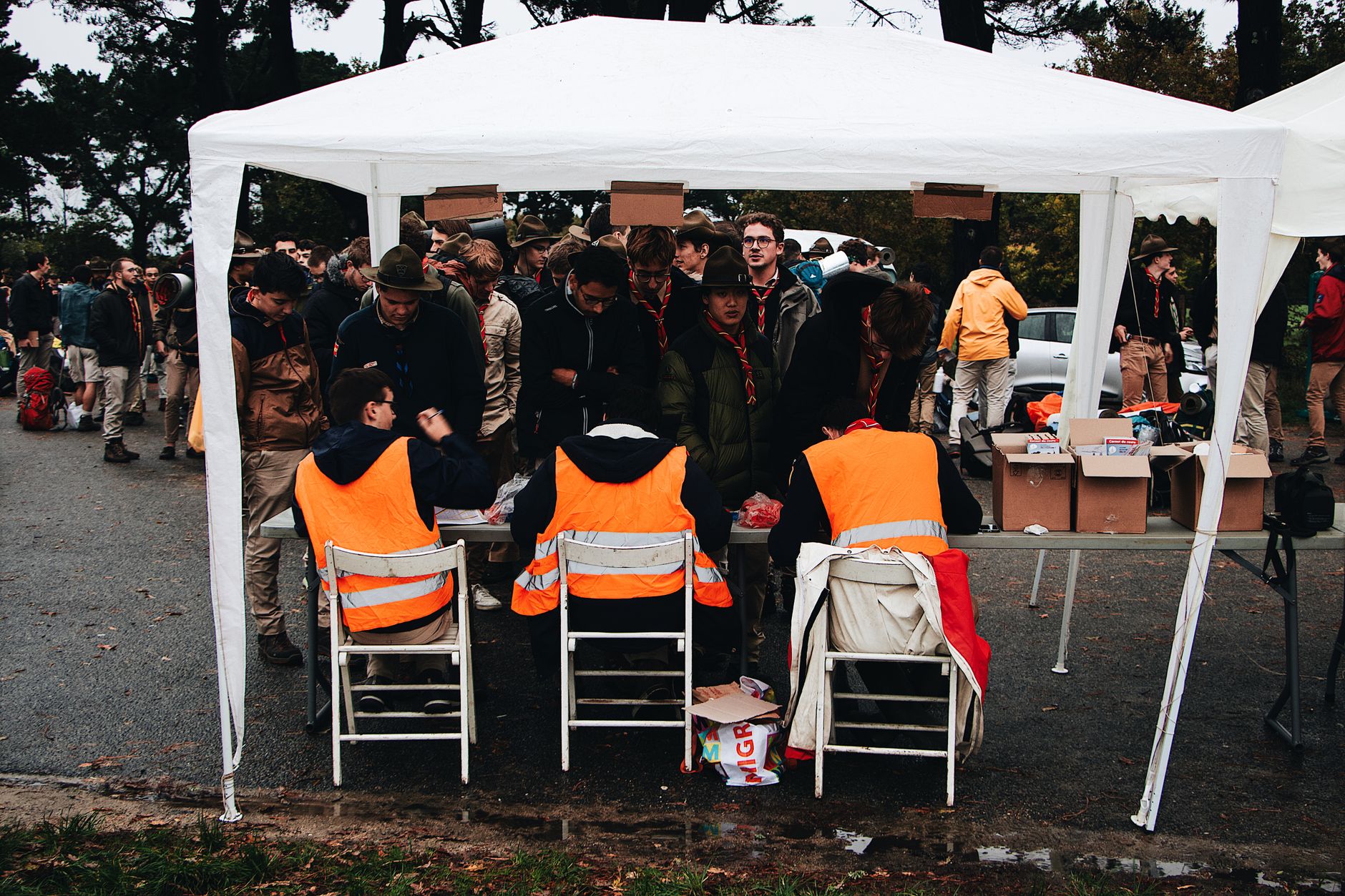
Working out how to run a village fete is mostly an exercise in fixed costs. Insurance runs £90 to £180, a temporary event notice for alcohol costs £21, and a bouncy castle with a trained operator sits near £150. Stallholders paying £15 a pitch cover that base surprisingly quickly.
Revenue concentrates in three places: the tea tent, the raffle and the tombola. A tombola stocked entirely with donated prizes and priced at £1 a ticket routinely clears £250 in an afternoon, while tea tent margins improve sharply when cakes are baked by volunteers rather than bought in.
Formal Roles: Governance, Charities and Council Seats
Sooner or later an informal group outgrows its shoebox of receipts. Learning how to set up a charity starts with the income threshold: unincorporated associations under £5,000 a year can operate on a simple written constitution, while registration with the regulator becomes compulsory once income crosses that line.
A charitable incorporated organisation shields trustees from personal liability and is typically approved within a few weeks when the objects are drafted cleanly. Trustees must be over 16 for a CIO, cannot be disqualified directors, and should expect at least four minuted meetings a year plus an annual return.
Anyone researching how to become a school governor will find no formal qualifications required beyond a DBS check, a willingness to read board papers, and roughly eight to twelve hours a term. Boards actively want finance, HR, estates and safeguarding experience, and vacancies appear through matching services and the school office.
Parish council meeting rules uk residents rely on are stricter than most people expect: agendas must be published three clear days ahead, meetings are open to the public, and a participation slot of ten to fifteen minutes is standard practice. Councillors declare pecuniary interests before any relevant vote.
Giving, Recycling and Neighbourhood Safety
Donating clothes to charity uk shops depend on is worth far more when sorted honestly. Bagged items should be clean, paired and seasonal, since damaged stock costs shops money in textile recycling fees. A Gift Aid declaration adds 25 pence per pound to the eventual sale price at no cost to you.
Shoppers hunting the best charity shops in london tend to follow the money: Marylebone, Chelsea and Primrose Hill branches receive designer donations, while Hampstead and Highgate shops price books and vinyl for collectors. Specialist furniture warehouses in outer boroughs sell sofas with intact fire labels for £60 to £200.
The neighbourhood watch scheme how to start question has a short answer: six to ten neighbouring households, one coordinator, and a conversation with the local policing team who supply signage and a messaging platform. Schemes fade without a purpose, so pair the launch with something sociable and repeatable.
Street messaging groups already do half the work, but a registered scheme unlocks home insurance discounts of around five per cent with several providers and gives residents a formal route into ward panel meetings. Keep membership records minimal and follow data protection basics from the very first week.
How do I access citizens advice free help uk outside normal office hours?
Face-to-face bureaux mostly close by late afternoon, but the network runs several out-of-hours routes. The national adviceline operates extended weekday hours, webchat sits behind the public website during working days, and the self-help library of benefit calculators, template letters and step-by-step debt tools stays available at any hour. Email enquiries submitted overnight are typically answered within five working days, which suits non-urgent problems such as a wrongly calculated council tax bill. For genuine emergencies, including an eviction notice, a disconnection warning or a domestic abuse risk, dedicated national helplines run around the clock and advisers will signpost you straight there rather than making you wait for a morning appointment. Libraries frequently host outreach desks on Saturday mornings too.
Is it expensive to set up a small community group from scratch?
Less than most people fear. An unincorporated association costs nothing to form: you adopt a written constitution, elect a chair, secretary and treasurer, then open a community bank account, which is usually free for groups turning over under £100,000. The real outlays are public liability insurance at roughly £60 to £150 a year, room hire for meetings, and a modest float for printing and materials. Registering a charitable incorporated organisation is also free at the point of application, though many groups spend £200 to £500 on advice to get the objects and trustee clauses drafted properly. Grants of £500 to £2,000 from parish councils, supermarket community funds and small local trusts routinely cover everything in the first year.
What should I bring to a first advice appointment?
Bring more than you think you need, because advisers cannot act on figures you half remember. For debt problems: every letter received in the last three months, recent bank statements, payslips or benefit award notices, and a rough list of monthly outgoings including food and travel. For housing: your tenancy agreement, any notice served, and dated photographs of disrepair. For benefits: the decision letter, the date it was issued, and any supporting medical evidence, since mandatory reconsideration deadlines are commonly one month from that date. Photo identification helps but rarely blocks an appointment. Write down the two or three questions you most want answered, because sessions often run to 45 minutes and drift easily.