
How to Start a Churchyard Maintenance Volunteer Group UK Parishes Can Sustain
A well-organised churchyard maintenance volunteer group UK parishes can rely on turns a neglected burial ground into the most-used green space in the village. Around 10,000 churchyards in England alone contain grassland that has never been ploughed, fertilised or sprayed, which makes the work conservation as much as tidying. The practical barriers are small: a brushcutter, insurance arranged through the parochial church council, a fixed session date and someone willing to send the reminder message. The obstacles that actually kill groups are social – unclear permissions, one volunteer quietly doing 80% of the labour, and no plan for the day the founder moves away. This guide covers permissions, recruitment, tools, honest budgets in pounds, the seasonal cutting calendar that keeps both wildlife and grieving families content, and how to keep a rota alive well past its second year.
Why a Churchyard Is Not Just Another Patch of Grass
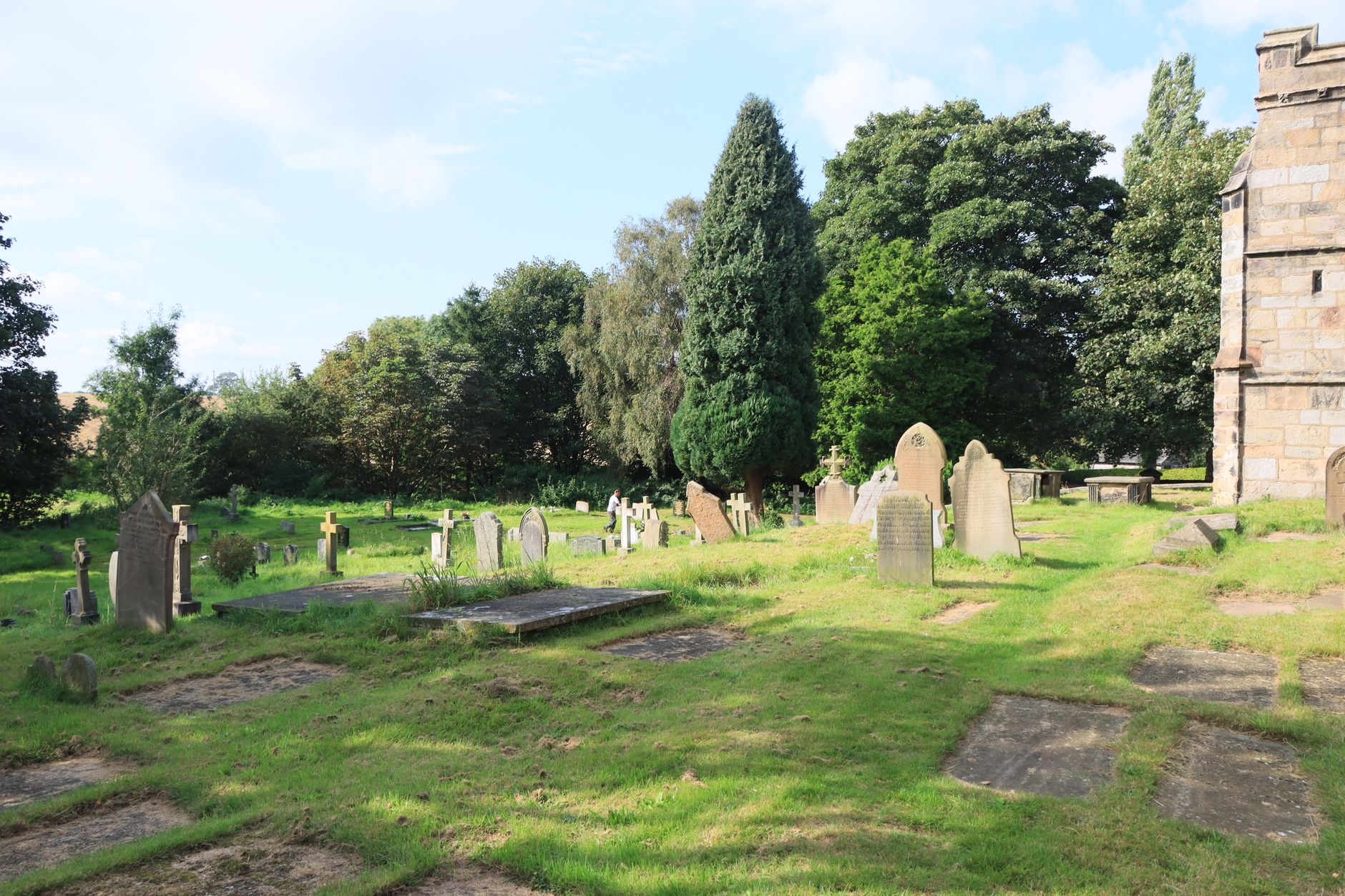
Churchyards are often the oldest continuously managed land in a parish, with 800 years of no ploughing, no fertiliser and no herbicide behind them. That history produces waxcap fungi, yellow rattle and lichen communities found almost nowhere else in lowland Britain. Mowing the whole site like a suburban lawn destroys in one season what took centuries to build.
The second reason is social. A churchyard is where families visit graves, where the war memorial stands and where the Remembrance service is held. Neglect reads as disrespect long before it reads as poor grounds keeping, and complaints reach the vicar within days rather than months. Volunteers absorb that pressure far better than a distant contractor ever does.
The third reason is money. Paying a contractor to cut a two-acre churchyard eight times a year costs a parochial church council roughly GBP 1,600 to GBP 2,800, depending on region, access and whether arisings are removed. Most rural councils already run an annual deficit on the building alone, so volunteer labour is the difference between managed and abandoned.
Permissions: The PCC, Faculty Rules and the Parish Council
Start with the parochial church council, which holds legal responsibility for an open churchyard whether or not burials still take place there. Get your work plan formally minuted, including which zones will be cut short and which will be left long. That minute becomes your evidence if a parishioner later objects to waist-high grass in June.
Anything touching a memorial, a boundary wall, a protected tree or the ground itself may need a faculty from the diocesan chancellor, or at minimum an archdeacon licence. Routine grass cutting, litter picking and ivy control on walls generally do not. Resetting a leaning headstone, removing a kerb set or planting a new tree almost always does.
Where a churchyard has been formally closed and maintenance has passed to the district or parish council, your route changes entirely. Parish council meeting rules UK councils follow require agenda items to be published three clear days before a meeting, so submit your request in writing at least a fortnight ahead and ask for a named officer contact.
Keeping the Paperwork Proportionate
Formality should match risk. The UK food bank referral process exists because food aid needs an auditable trail; a churchyard rota needs a one-page risk assessment, a named coordinator and proof of insurance. Anything longer gets filed and ignored. Groups asking how to set up a charity rarely need one, because most work under the existing charitable status of the PCC.
Recruiting Volunteers Who Actually Come Back
The recruitment pool is smaller than the electoral roll and much wider than the congregation. The same person who asks how to volunteer at food bank sessions on a Tuesday will often give two hours on a Saturday morning to a churchyard, because the ask is short, outdoors and sociable. Roughly a third of typical volunteers never attend a service.
Anyone who has looked up neighbourhood watch scheme how to start guidance will recognise the recruitment pattern that works: one named coordinator, a messaging group, a printed sheet in the church porch, and a direct personal invitation to about twenty households. Broadcast appeals in the parish magazine convert at under 2%, while a doorstep ask converts at nearer 30%.
Make the Commitment Small, Fixed and Visible
Commitment length decides who says yes. Someone weighing how to become a school governor is accepting a four-year term with statutory duties and evening meetings; your ask is nine sessions a year at ninety minutes each, with no committee attendance. Groups starting a community garden uk residents actually sustain learn the same lesson: fixed dates beat flexible ones every time.
A churchyard maintenance volunteer group UK parishes still have running after five years almost always has three co-leads rather than one hero. Split the roles clearly: tools and safety, rota and reminders, liaison with the PCC. When one person moves away you lose a third of your capacity rather than the entire operation overnight.
Tools, Insurance and a Realistic Annual Budget
Hand tools carry most of the workload. Two Austrian scythes, six rakes, hay forks and a pair of long-handled loppers will clear more meadow in a morning than a single strimmer, and they make no noise during a wedding. Add one petrol brushcutter for nettles, brambles and the rough edges nobody else wants to touch.
Second-hand kit is entirely acceptable. The best charity shops in london and rural market towns alike sell secateurs, boots and waterproofs for a few pounds, and the etiquette mirrors donating clothes to charity uk guidance: pass on only what is clean, safe and genuinely usable. Check that any donated power tool carries a current service record before anyone starts it.
| Item | Typical cost (GBP) | Notes |
|---|---|---|
| Petrol brushcutter (Stihl FS 55 class) | GBP 280 – 420 | Annual service around GBP 70 |
| Austrian scythe plus peening kit | GBP 180 – 230 | Lasts 20 years, no fuel cost |
| Public liability cover added to PCC policy | GBP 0 – 150 per year | Frequently included already |
| Personal protective kit per volunteer | GBP 45 – 70 | Gloves, visor, ear defenders, boots |
| Green waste removal or skip hire | GBP 180 – 300 per year | Cheaper if a farmer takes the hay |
| Wheelbarrows, rakes and forks (set of six) | GBP 150 – 200 | Buy once, store in the vestry |
A group starting from nothing spends roughly GBP 900 to 1,400 in year one and GBP 250 to 400 annually after that. A committee that knows how to run a village fete clears the year-one figure in a single afternoon, and a Gift-Aided letter to forty households raises about GBP 700.
Budget for meeting space as well. Winter planning sessions need a warm room, and village hall hire cost uk sits at GBP 8 to 15 an hour, so GBP 60 covers two evenings. Tea, biscuits and a summer barbecue add another GBP 80 and do more for retention than any purchase.
The Cutting Calendar and Memorial Safety
The single most valuable decision is zoning. Divide the site into three areas: short amenity grass around the path, porch and recent graves; a meadow zone cut twice a year; and a long conservation corner left almost untouched. Mark the boundaries with neatly mown edges so the long grass reads as deliberate rather than forgotten.
- March to April: cut and remove arisings from meadow zones before spring growth accelerates.
- Mid-July onwards: main hay cut once wildflowers have set seed, raking off within three days.
- September: second cut plus paths, edges and the war memorial area ahead of Remembrance.
- Fortnightly, March to October: mow amenity zones and a one-metre strip around every recently used grave.
- May and June: leave meadow zones uncut except for access paths and regularly visited graves.
Memorial safety needs its own rule set. Never lean on, push or test a headstone with body weight; use hand pressure only, and report anything that moves to the PCC in writing the same week. Keep nylon strimmer line at least 15cm from every stone, because a few seconds of contact strips lead lettering and soft limestone permanently.
Signage prevents most complaints before they start. The clearest village noticeboards explain the basics of community fridge how it works, who holds the key and when it is emptied, in under fifty words. A churchyard sign should do exactly the same: why the grass is long, when it will be cut, and which number to ring with a concern.
How Do I Start a Churchyard Maintenance Volunteer Group UK Parishes Will Support?
Begin with a single conversation with the incumbent and the churchwardens, then take a written one-page proposal to the next PCC meeting covering zones, dates, tools, insurance and a named coordinator. Once it is minuted, walk the site with two or three interested people and photograph everything, including damaged memorials, so the starting condition is documented. Set nine fixed session dates for the year before you recruit anyone, because people commit to specific Saturdays rather than to an idea. Invite twenty households directly, in person or by note, and expect around six to attend the first session. Finish every session at the advertised time with tea, and send a two-line thank-you message the same evening.
Is a Churchyard Maintenance Volunteer Group UK Required to Register as a Charity?
In most cases, no. A group working on a churchyard under the authority of the parochial church council operates within an existing charitable structure, and the PCC insurance normally extends to authorised volunteers once they are named or covered by a signed session register. Registration becomes relevant only if the group holds its own funds, employs anyone, or applies for grants that demand an independent legal identity, and the Charity Commission threshold for compulsory registration in England and Wales sits at GBP 5,000 of annual income. A constituted unincorporated association with a bank account, a chair, a treasurer and one annual meeting is usually sufficient, and it costs nothing beyond an evening of drafting.
What Does It Realistically Cost to Run a Churchyard Volunteer Group Each Year?
After the initial equipment outlay of roughly GBP 900 to GBP 1,400, expect GBP 250 to GBP 400 a year in running costs. That covers fuel and two-stroke oil at about GBP 60, an annual brushcutter service at GBP 70, replacement strimmer line, gloves and blades at around GBP 80, green waste disposal at GBP 180 if no local farmer takes the hay, and modest refreshment costs. Insurance is frequently absorbed by the existing PCC policy at no extra charge, though confirm the wording in writing rather than assuming it. Two fundraising events, a plant sale in spring and a stall at the summer fete, comfortably cover the whole figure and usually recruit two or three extra volunteers as a side effect.