
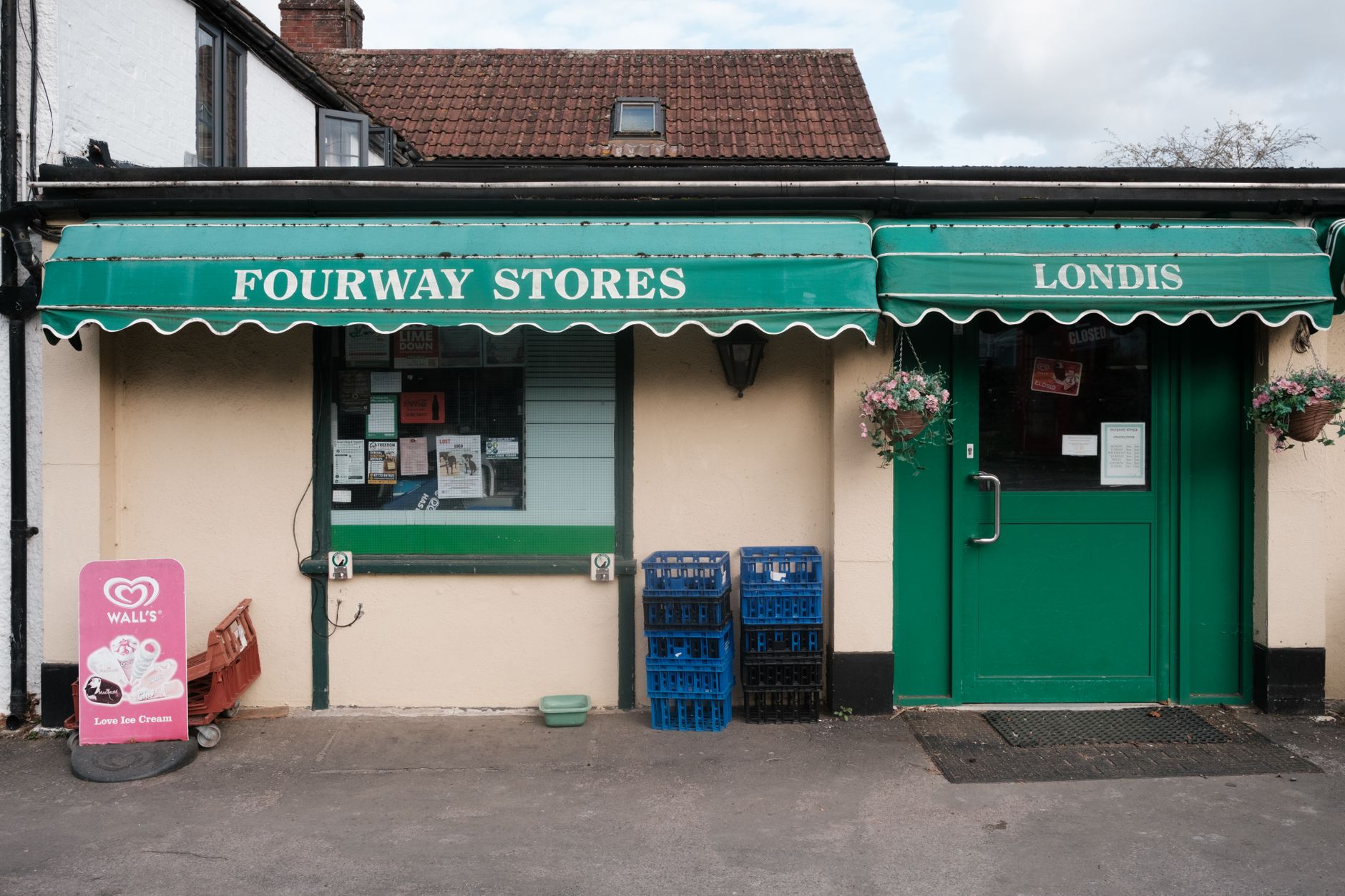
Community Shop How to Set Up: A Step-by-Step UK Guide
Ask a village committee about community shop how to set up questions and the answers come back in the same order: money, premises, people. More than 400 community-owned shops trade across the UK, most of them in settlements under 1,500 residents, and their survival rate past five years sits far above that of conventional convenience retail. That gap is not luck. It comes from a pattern that repeats village after village: a demand survey reaching 60% of households, a share offer raising £25,000 to £70,000 locally, a peppercorn or rent-free building, and a rota of 40 to 80 volunteers covering trading hours. This guide walks through that pattern in order — legal structures, realistic budgets in pounds, refrigeration specs, stock ranges, and the community services that keep footfall steady through a wet February when tourist trade disappears entirely.
Community Shop How to Set Up: Proving Demand Before You Spend
Demand testing costs almost nothing and prevents the most expensive mistake in the sector. Post a one-page survey to every household, then chase it door to door until at least 60% respond. Ask three things only: current weekly grocery spend, distance to the nearest supermarket, and willingness to buy shares.
Convert the answers into a trading forecast. A village of 600 residents across 250 households typically produces £3,000 to £4,500 of weekly turnover once habits settle, assuming an average basket of £6.50 and around 60 transactions a day. Anything below £2,200 weekly rarely covers stock, insurance, utilities and a part-time manager.
Momentum matters as much as arithmetic. Villages with experience of starting a community garden UK funders already recognise, or committees who know how to run a village fete without falling out, convert survey enthusiasm into signed share applications far more reliably. Test that goodwill early with a public meeting and a visible signup sheet.
Reading the numbers honestly
Build three forecasts: pessimistic, expected and optimistic. Model the pessimistic case at 70% of expected turnover with a gross margin of 22%, because community shops rarely beat 25% on ambient groceries. If that pessimistic case still pays the electricity bill and a £12,000 annual wage, the project stands up.
Choosing the Right Legal Structure and Registering It
Most community shops register as a Community Benefit Society with the Financial Conduct Authority, adopting model rules from a sector body. Registration costs roughly £40 to £950 depending on whether the rules are amended, and the structure permits a community share offer with one-member-one-vote governance regardless of how many shares anyone holds.
Compare that with how to set up a charity, which suits shops trading mainly for public benefit through a trading subsidiary. A Charitable Incorporated Organisation avoids dual registration and unlocks rate relief, but it cannot issue share capital, so groups wanting genuine local investment almost always choose the society route.
Engage the parish council early. The parish council meeting rules UK councils follow require agenda items to be published in advance, so submit your request a fortnight before the meeting. Councils can transfer land, underwrite a lease, or award a grant from the precept, typically somewhere between £500 and £5,000.
Directors, policies and insurance
Appoint five to nine directors covering retail, finance, building and legal skills. Budget £600 to £1,200 a year for combined public liability, employers liability, stock and business interruption cover. Add a written safeguarding policy, an alcohol licence if you plan to sell wine, and a food hygiene pack before the first delivery.
Funding the Build: Share Offers, Grants and Fundraising
Money answers most community shop how to set up questions. A local share offer usually raises 40% to 60% of the total, grants cover another 25%, and community fundraising fills the remainder. Shares are commonly priced at £25 each with a £250 minimum holding and a £20,000 cap per member to protect one-member-one-vote fairness.
Grant funders expect matched community investment before they commit anything. Rural development schemes, national lottery community funds and county rural programmes regularly award £10,000 to £50,000 towards fit-out, refrigeration and accessibility works. Applications improve dramatically when you attach raw survey data and signed heads of terms for the building.
Traditional fundraising still shifts the final £5,000. Committees who know how to run a village fete can clear £2,500 in an afternoon with a bar, a raffle and pitch fees at £15 a stall. Quiz nights, produce auctions and a founder plaque scheme close the remaining gap.
| Set-up item | Typical cost (GBP) | Notes |
|---|---|---|
| FCA registration and model rules | £40 to £950 | Cheaper if rules are adopted unamended |
| Fit-out: shelving, counter, flooring | £8,000 to £20,000 | Second-hand gondola shelving cuts this by half |
| Refrigeration and freezers | £4,000 to £9,000 | Often needs a three-phase supply upgrade |
| EPOS till, scanner, card terminal | £1,200 to £2,500 | Plus card fees of roughly 1.2% of takings |
| Opening stock | £6,000 to £12,000 | Paid up front until wholesaler credit is granted |
| Insurance, licences and signage, year one | £1,500 to £3,000 | Includes alcohol licence and food registration |
Premises, Fit-Out and Getting Stock on the Shelves
Premises decide viability. A redundant pub, a chapel vestry or a well-insulated portacabin on parish land all work provided you have 60 to 100 square metres of trading floor, adequate power for chillers, level access and space for a delivery lorry to turn. Storage of 15 square metres is the practical minimum.
Temporary trading is cheap and persuasive. The village hall hire cost UK committees quote sits around £8 to £20 an hour, so a Saturday morning pop-up costs under £60 and proves demand to funders. Residents already used to donating clothes to charity UK shops collect will happily lend tables, rails and shelving.
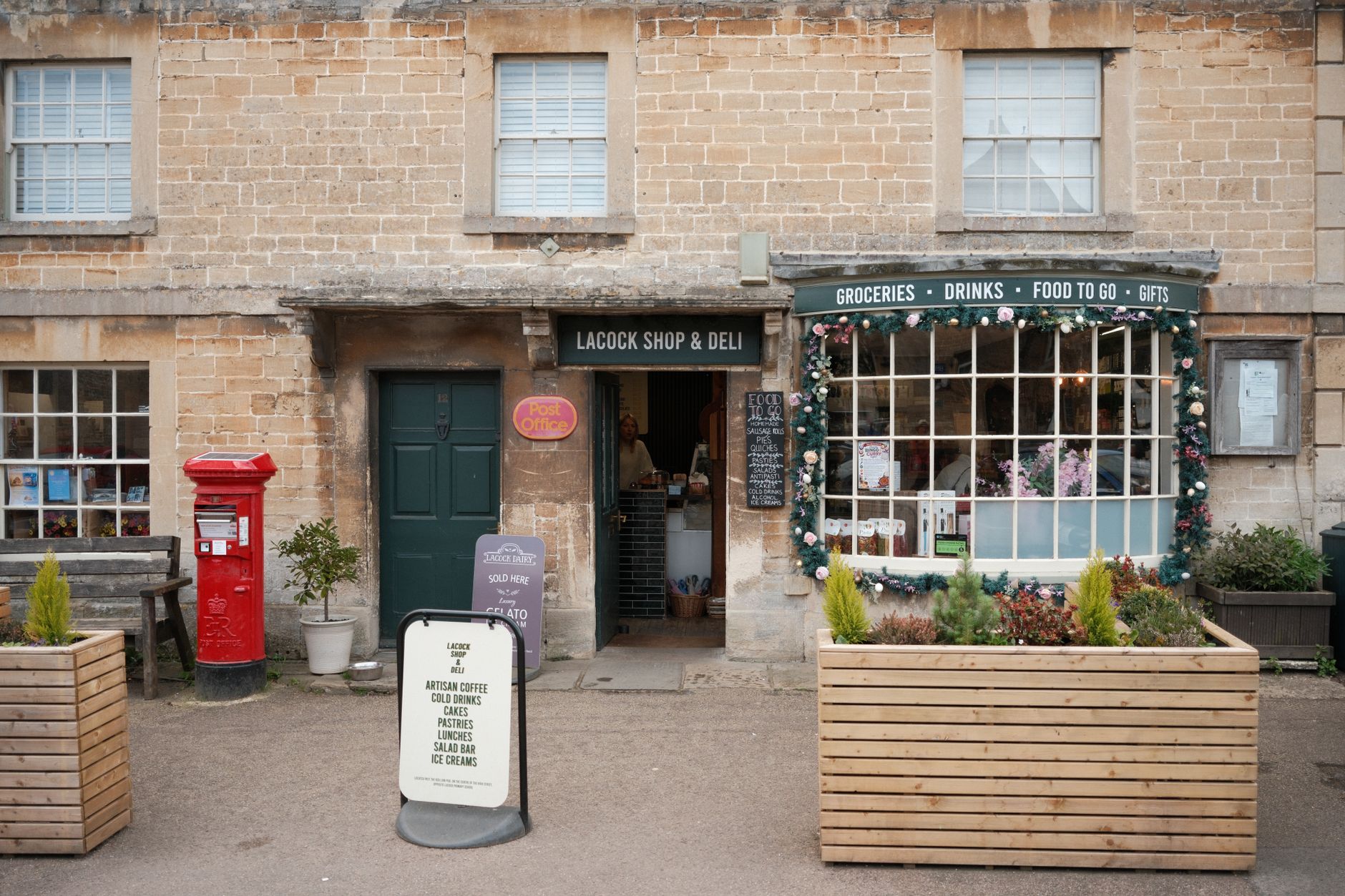
Merchandise like a professional. The best charity shops in London rotate window displays weekly and place impulse lines at eye level; apply the same discipline to bread, eggs and local cheese. Stock 1,200 to 1,800 lines, buy ambient goods through a symbol wholesaler, and source fresh produce from farms within 20 miles.
Volunteers, Rotas and Services That Keep Footfall Steady
A viable shop needs 40 to 80 volunteers on two-hour slots plus one paid manager working 15 to 25 hours a week. Recruitment follows the same logic as neighbourhood watch scheme how to start guidance: one committed coordinator, a street-by-street contact list, and a fixed monthly meeting date that never moves.
Wrap services around the till. A community fridge how it works card on the door — surplus in by 10am, free to take, no questions asked — brings people through daily. Add parcel collection, a prescription drop-off, a coffee machine and a noticeboard, and weekday footfall typically rises 15% to 30%.
Partner with existing volunteering rather than competing with it. Residents asking how to volunteer at food bank sessions can be signposted straight from your counter, and staff who understand the UK food bank referral process can quietly direct a family towards a voucher. Anyone who has researched how to become a school governor understands how local commitment compounds.
How Long Does It Take to Open a Community Shop?
Twelve to twenty-four months is realistic. The survey and public meeting take roughly two months, forming the society and adopting rules another two, and a share offer needs eight to twelve weeks open so households have time to move money and complete applications properly.
Building work dominates the timeline. Planning permission for change of use typically runs 8 to 13 weeks, and fit-out with refrigeration installation adds six to ten weeks once contractors are booked. Groups working through community shop how to set up questions routinely underestimate the wait for an electricity supply upgrade.
Trading from a temporary venue while the permanent unit is built keeps volunteers engaged and generates early cash. Several successful shops ran Saturday pop-ups for a full year before opening six days a week, which also refined their stock list before serious money was committed to shelving.
Is a Community Shop Actually Profitable?
Profit is not the objective, but solvency absolutely is. A shop turning over £180,000 a year works on a gross margin of 22% to 26%, producing £40,000 to £47,000 to cover wages, rent, utilities, insurance and stock losses. Modest surpluses of £3,000 to £10,000 are common.
Volunteer labour is what makes the model work at village scale. Replacing 60 volunteer hours a week with paid staff would add roughly £35,000 a year, which no small-village turnover supports. Protecting the rota is therefore the single most important management task after the opening excitement fades.
Surpluses are usually reinvested rather than distributed. Societies commonly pay 0% to 3% interest on member shares, then spend the remainder on new chillers, a delivery van for housebound customers, or small grants to other village groups. That visible recycling of money is exactly what keeps residents shopping locally.
What Does It Cost to Set Up a Community Shop in the UK?
Budget £25,000 as an absolute floor and £80,000 for a well-equipped shop in a converted building. The largest single line is refrigeration, at £4,000 to £9,000 for chillers, a freezer and a dairy cabinet, followed by general fit-out at £8,000 to £20,000 including flooring and lighting.
Opening stock absorbs £6,000 to £12,000 and must be paid up front until a wholesaler grants credit terms, usually after three months of clean payments. Hold a further £8,000 as working capital so a slow first winter does not force an emergency appeal to members.
Running costs settle around £1,800 to £3,200 a month once trading, covering the manager, electricity for chillers, insurance, card processing fees and waste collection. Share capital and grant money should never be spent down to the last pound before opening day, because early trading is always slower than forecast.