
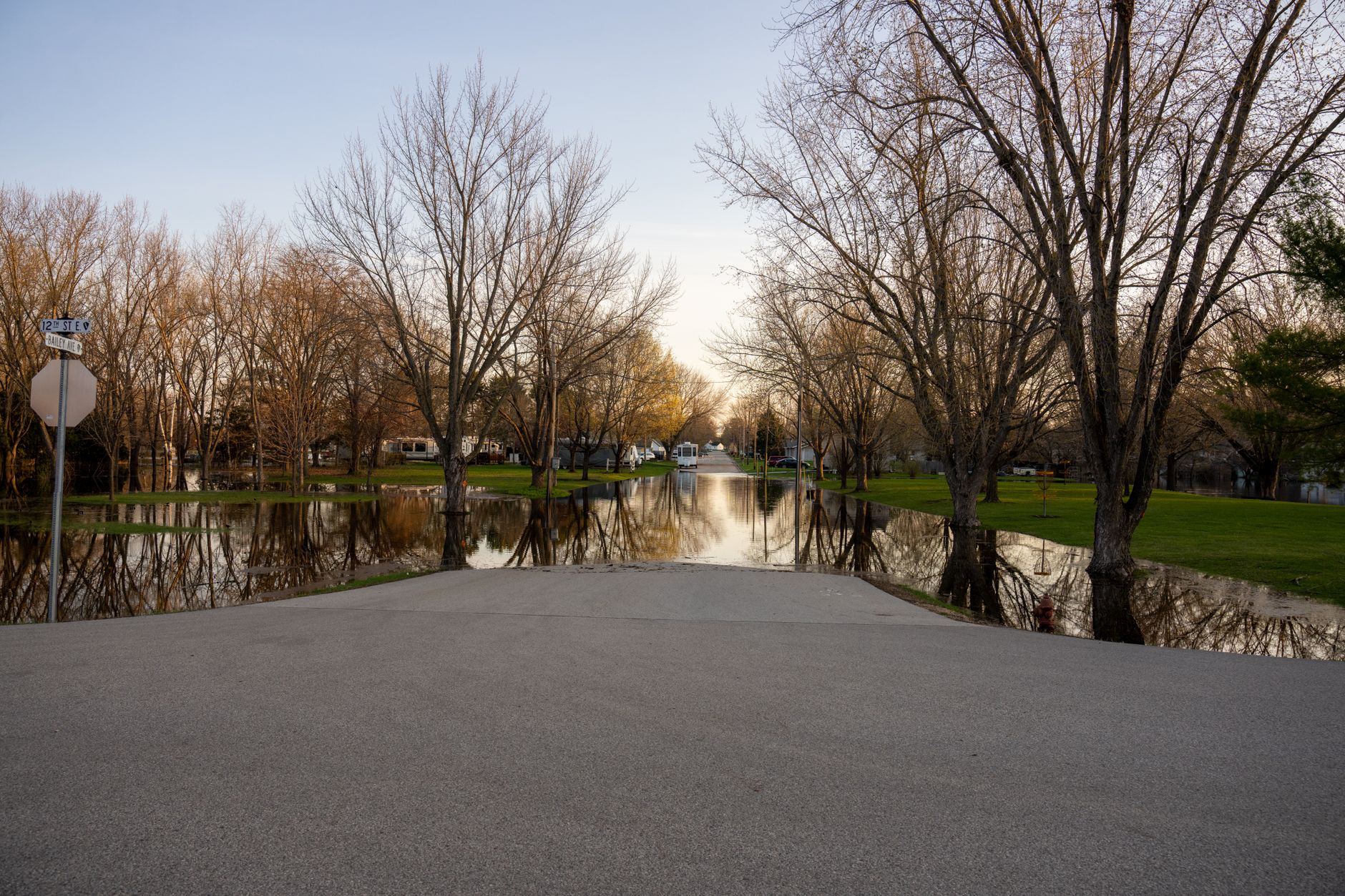
The flood warden volunteer role UK councils rely on is one of the most practical community jobs going: you watch water levels, warn neighbours and feed real-time information back to the Environment Agency, Natural Resources Wales or SEPA. Anyone considering a flood warden volunteer role UK scheme should know it is unpaid, locally organised and surprisingly structured. Most wardens cover 30 to 120 properties, attend two or three training sessions a year and spend under five hours a month on the role outside of an actual flood event. During severe weather that changes fast; a 48-hour amber alert can mean four doorstep rounds, a dozen phone calls and one long night beside a river gauge. This guide covers duties, training, kit values in GBP, insurance cover, recruitment routes, realistic time demands and how wardening sits alongside other local volunteering.
What a Flood Warden Actually Does Week to Week
Water watching comes first. Wardens check a named gauge, culvert grille or trash screen on a fixed route, note the level against a marked pole and photograph blockages. A single blocked grille can raise upstream levels by 300mm in under an hour, so a five-minute walk often matters more than any paperwork.
Warning comes second. Schemes run a cascade: the warden receives an official alert, then telephones or door-knocks a list of 30 to 120 properties, prioritising ground-floor flats, older residents and anyone on the water company priority services register. Two wardens sharing one street keep that round under 40 minutes.
Recording comes third. Time-stamped photos, depth readings and property counts become the evidence a lead local flood authority needs to justify a £200,000 culvert upgrade or a property flood resilience grant worth up to £5,000 per home. Sloppy records lose schemes funding; tidy, dated records win it.
Wet-Weather Duties Versus Dry-Day Duties
On dry days the work is maintenance and relationships: clearing leaves from gullies, checking that flood gates still seal, updating the contact list after house moves and delivering a one-page reminder leaflet each autumn. Expect roughly two hours a month, almost entirely at times you pick yourself.
Wet days invert that. During an amber warning you may be awake from 22:00 until 04:00, moving sandbags, helping a neighbour move belongings upstairs and relaying depths to the duty officer every 30 minutes. Wardens never wade, never direct traffic and never attempt rescues; those tasks belong to the emergency services.
Training, Kit and What the Role Costs You
Induction is short. Most authorities run a two-hour evening briefing plus an annual refresher covering warning terminology, the difference between an alert and a warning, sandbag technique, lone-working rules and first aid awareness. Larger schemes add a half-day tabletop exercise with the fire service and the highways team.
Equipment is issued rather than bought, though most wardens add their own footwear. The table below reflects what a well-run scheme hands over and what each item is worth, so you can judge quickly whether the support on offer is generous or thin.
| Item | Typical value (GBP) | Usually provided by |
|---|---|---|
| High-visibility jacket and ID card | £25 – £40 | Council or flood action group |
| Head torch plus spare batteries | £15 – £25 | Council |
| Wellingtons or chest waders | £30 – £120 | Often self-funded |
| Depth gauge board or flood pole | £40 – £90 | Lead local flood authority |
| Laminated route cards and door hangers | £15 per 100 | Council print budget |
| River level and warning apps | Free | Environment Agency or equivalent |
Out-of-pocket spending should sit near zero. Rural mileage is commonly reimbursed at 45p per mile, printing is covered, and public liability cover rests with the council or the constituted group. Ask for the written expenses and insurance policy before your first shift rather than after it.
How to Join a Scheme and Who Signs You Off
Start with the lead local flood authority, meaning your county or unitary council, and ask for the flood risk or resilience team instead of the general enquiries line. They hold the warden register, the training calendar and the DBS position, which is rarely required unless you visit vulnerable residents alone.
- Confirm whether a warden scheme already exists for your postcode, and who coordinates it.
- Ask for the current warden map, so you take an uncovered patch rather than duplicating cover.
- Request the role description, expenses policy and insurance certificate in writing.
- Book the next induction date and the annual refresher in one email.
- Agree a buddy and a stand-down message before your first wet-weather callout.
Parish and town councils are the second route and often the faster one. Agendas must be published three clear days ahead and the public normally gets a short speaking slot, so check the parish council meeting rules uk guidance that applies locally, then request a five-minute item under community resilience.
Recruitment works best face to face. Book a room for a launch evening; the village hall hire cost uk committees quote runs about £10 to £25 an hour, cheaper for local groups. Borrow the playbook that explains neighbourhood watch scheme how to start, because the street-coordinator model maps almost exactly onto flood wardening.
Time Commitment, Boundaries and Personal Safety
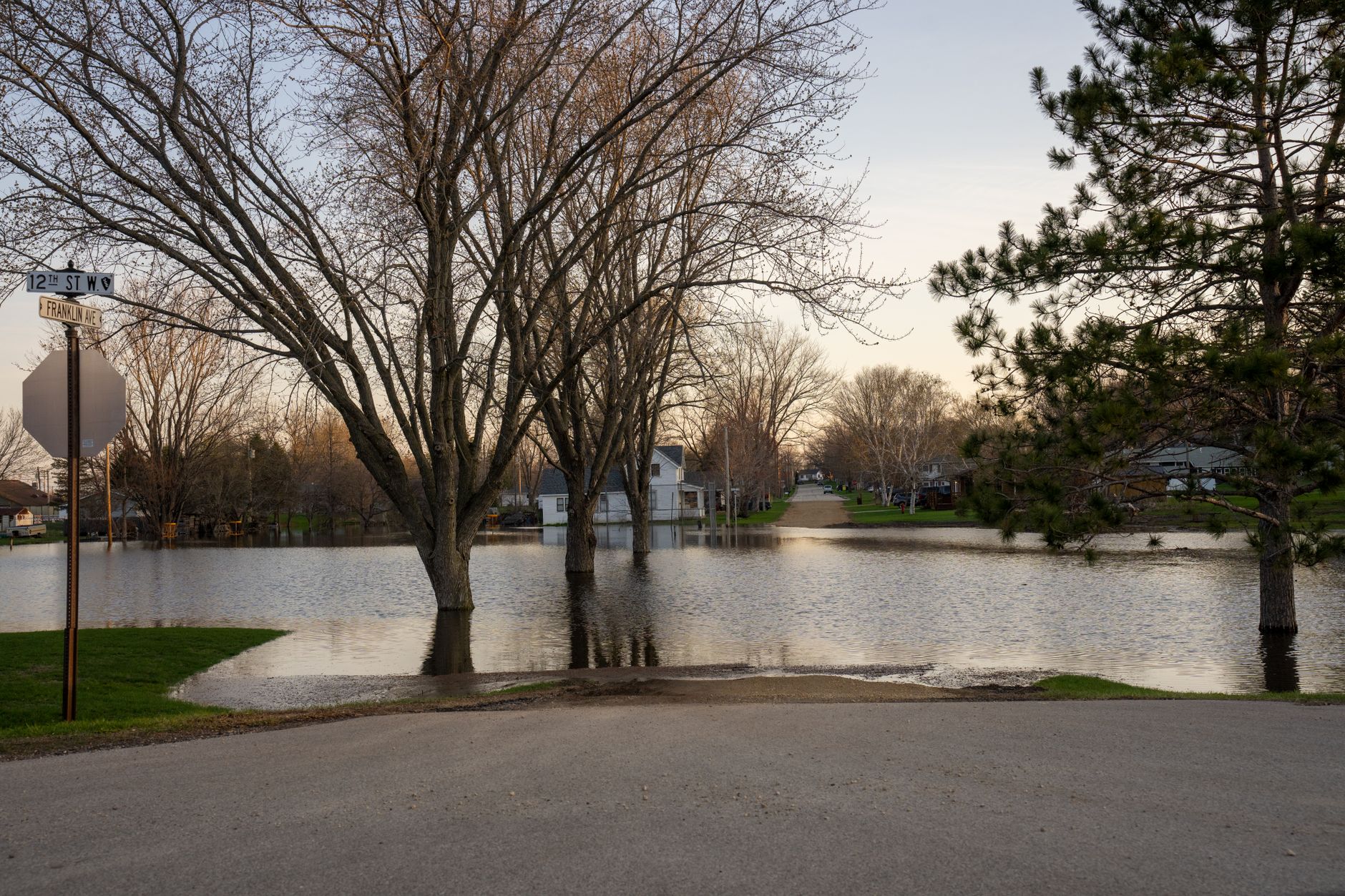
Budget two to five hours a month, spiking towards 20 hours in a severe week. That is lighter than trusteeship and considerably lighter than learning how to become a school governor, which typically means six board or committee meetings a year, substantial reading packs and a term of three or four years.
Safety rules are non-negotiable. Never wade, because 150mm of moving water can take an adult off their feet. Never lift a sandbag heavier than 15kg alone. Always log out with a named buddy, carry a charged phone and power bank, and withdraw the moment a route becomes uncertain.
Burnout is the quiet risk. Wardens covering an entire village alone tend to last about two winters. Three people sharing one patch, working to a written rota with an agreed stand-down message, last far longer, and residents still get a knock at the door when the watercourse tops its banks.
Where Flood Wardening Fits in Wider Community Life
Wardens rarely volunteer only as wardens. The same council portal that explains how to volunteer at food bank sessions usually lists warden vacancies two clicks away, and the overlap is genuinely useful: both roles run on accurate address lists, dependable rotas and the confidence to knock on a stranger’s door.
Practical skills transfer directly. Anyone who has dealt with starting a community garden uk paperwork, meaning a lease, a risk assessment and a public liability certificate, already understands most of what a flood action group needs. Groups wanting formal status can examine how to set up a charity as a CIO, which costs nothing to register.
Funding for pumps, gauge boards and door hangers rarely comes from the council alone. Committees that master how to run a village fete raise £1,500 to £4,000 in an afternoon. Volunteers who know the best charity shops in london, or their own high street equivalents, route surplus donated stock there instead of into skips.
Recovery Work After the Water Drops
Recovery lasts months, not days. A flooded household can lose its fridge, carpets and school uniforms in a single night, so wardens who understand the uk food bank referral process, where a voucher is issued by a referral partner such as a council team, GP surgery or school, shorten a family’s wait from weeks to days.
Two other models pair neatly with warden work. Residents searching community fridge how it works find a free surplus-food scheme that keeps operating while kitchens are stripped back to brick, while donating clothes to charity uk partners gives wardens a dignified answer when a neighbour turns up with nothing dry to wear.
How Do I Apply for a Flood Warden Volunteer Role UK Scheme Near Me?
Email your county or unitary council’s flood risk team with your postcode, the watercourse or surface water problem you are worried about, and the number of properties you could realistically cover. If a scheme exists you will be added to the next induction, usually within eight to twelve weeks. If none exists, take the request to your parish council as a formal agenda item and ask for a launch meeting, a contact list and a small budget for leaflets. Environment Agency, Natural Resources Wales and SEPA regional teams also signpost existing flood action groups, and those groups recruit continuously because winter turnover is high.
Is the Flood Warden Volunteer Role UK Insured and Legally Protected?
Yes, when the scheme is properly constituted. Wardens acting within an agreed role description are normally covered by the council’s or the group’s public liability and personal accident policies, typically £5 million and £10 million limits respectively. Protection depends on staying inside those boundaries: no wading, no traffic management, no entering private property uninvited, no rescues. Ask to see the certificate and the lone-working procedure before you accept a patch, and check whether volunteer drivers need to notify their motor insurer, which is free with most providers. Freelance wardens operating with no council link have no such cover at all.
What Skills and Equipment Do Flood Wardens Really Need?
Reliability beats technical knowledge every time. The useful skills are simple: reading a river gauge, keeping a legible log, speaking calmly to anxious residents and knowing when to stop. Physical demands are moderate, mainly walking a route in poor weather and occasionally shifting sandbags in pairs. Kit-wise, a scheme should issue a hi-vis jacket, ID card, head torch and printed route cards, while most wardens buy their own boots at £30 to £120. Add a waterproof phone case, a power bank and a paper copy of the contact list, because mobile signal and mains power often fail together during a flood.